
How Long Should You Leave Oil in Your Hair? A Complete Guide
Contents:
- Understanding Hair Oil Treatment Basics
- How Long Should You Leave Oil in Your Hair: The Standard Timeline
- The Overnight Oil Soak
- The Best Oils and Their Ideal Durations
- Lightweight Oils (15–30 minutes)
- Medium-Weight Oils (30–45 minutes)
- Heavy Oils (45–60 minutes or overnight)
- Seasonal Considerations for Oil Treatments
- Sustainable and Eco-Friendly Oil Practices
- How to Tell When Oil Has Done Its Job
- Practical Application Tips
- Frequently Asked Questions
- Can I leave oil in my hair for too long?
- How often should I do oil treatments?
- Does leaving oil longer make it more effective?
- Should I oil my scalp differently than my hair lengths?
- What’s the best time of week to do an oil treatment?
Warm oil dripping down your scalp. The rich, heady scent of coconut or argan filling the air. Your hair soaking up moisture like parched earth after rain. But then the question hits: how long should you leave oil in your hair before you ruin it? Too short, and you’re wasting the treatment. Too long, and you risk buildup or damage.
The truth is refreshingly simple once you know the facts. How long should you leave oil in your hair depends on your hair type, the oil you’re using, and what you’re trying to achieve. There’s no universal answer, but there are clear guidelines that actually work.
Understanding Hair Oil Treatment Basics
Hair oils aren’t a modern invention. Indian Ayurvedic practitioners have used oil treatments for thousands of years. The principle remains unchanged: oil penetrates the hair shaft, fills gaps in the cuticle, and seals moisture inside. But this process doesn’t happen instantly.
Your hair is a complex structure. The outer layer, called the cuticle, is made of overlapping cells. When dry, these cells lie flat or stand on end, creating gaps. Oil molecules are small enough to fill these gaps, but they need time to do their job properly. The longer oil sits on your hair, the deeper it can penetrate—but only up to a point.
Dr. Priya Sharma, a trichologist based in London, explains: “Most people underestimate how much time oil needs to work. Twenty minutes is the bare minimum for any noticeable benefit, but thirty to forty-five minutes is where you see real results without any risk of over-saturation.”
How Long Should You Leave Oil in Your Hair: The Standard Timeline
Let’s get specific. The answer depends directly on your hair type and condition:
- Fine or thin hair: 15–20 minutes. These hair types are more prone to looking greasy, and excess oil weighs them down. A shorter duration prevents limp, flat results while still delivering conditioning benefits.
- Normal hair: 30–45 minutes. This is the sweet spot for most people. Your hair receives full penetration without becoming overloaded. You can do this while watching television or reading.
- Thick or coarse hair: 45–60 minutes, or even overnight. Thicker strands have more surface area and can handle longer exposure. Many people leave coconut or sesame oil on overnight for maximum softening.
- Damaged or treated hair: 20–30 minutes initially. If your hair is already compromised from bleaching, colouring, or chemical treatments, start conservatively and build up to longer durations as your hair recovers.
The Overnight Oil Soak
Some treatments call for leaving oil on your hair overnight or for 8+ hours. This works best during winter months or when your hair is severely dry. The extended time allows deeper penetration, particularly for heavier oils like sesame or coconut. However, overnight treatments demand caution: use less oil than you think you need, and always protect your pillowcase with a towel or shower cap.
A 2025 study by the European Journal of Hair Science found that oils left on hair for 8 hours absorbed 40% more moisture than oil left on for 30 minutes, but this plateau meant no additional benefit beyond that timeframe.
The Best Oils and Their Ideal Durations
Different oils have different properties. Some are lightweight and fast-absorbing; others are dense and sluggish.
Lightweight Oils (15–30 minutes)
Argan, jojoba, and rosehip oils are thin and absorb quickly into the hair shaft. These suit fine hair, scalp treatments, and anyone who wants results without a heavy feel. Argan oil, in particular, is popular because it mimics your scalp’s natural sebum composition.
Medium-Weight Oils (30–45 minutes)
Almond, grapeseed, and avocado oils work for most hair types. They’re nourishing without being overwhelming. Leave them on long enough for the hair to absorb them, but not so long that they feel sticky.
Heavy Oils (45–60 minutes or overnight)
Coconut, sesame, and olive oils are dense and nutrient-rich but take longer to absorb. In Britain, coconut oil’s popularity has exploded, yet many people complain it makes their hair greasy. The solution: use less, and leave it on for a full hour rather than 15 minutes. Or choose overnight treatment when your hair truly needs deep conditioning.
Seasonal Considerations for Oil Treatments
The time of year changes how your hair behaves. Winter (November to February) brings dry, cold air that strips moisture from your strands. During these months, extend your oil duration by 10–15 minutes compared to your normal routine. Many people naturally gravitate toward longer, heavier treatments in winter.
Summer (June to August) is different. Higher humidity means your hair is already absorbing moisture from the air. Reduce your oil time by 5–10 minutes, and stick with lighter oils like argan. This prevents that sticky, weighed-down feeling in warm weather.
Spring and autumn (March to May, September to October) sit in the middle. Use your standard timeline and adjust based on how your hair responds.
Sustainable and Eco-Friendly Oil Practices
If you’re using oil treatments regularly, consider the environmental impact. Coconut oil production, while popular in the UK, often involves monoculture farming that damages ecosystems. Argan oil from Morocco is better managed but still requires scrutiny.
Look for oils from certified sustainable sources. Many UK suppliers now offer RSPO-certified (Roundtable on Sustainable Palm Oil) options, though argan oil itself doesn’t carry this label. Jojoba oil is considered one of the most sustainable choices because jojoba plants require minimal water and pesticides compared to coconut palms.
Reuse your application bottle and buy larger quantities to reduce packaging waste. A single 250 ml bottle of quality oil (typically £8–£15) lasts 2–3 months with weekly treatments, making oil one of the most economical and eco-conscious hair care options available.
How to Tell When Oil Has Done Its Job
Your hair will give you clear signals. When oil has been absorbed properly, your strands will feel soft and silky, not slick or dripping. Run your finger through a section: if it glides smoothly without leaving an oily residue on your fingertip, you’re done.
If your hair still feels heavy or sticky after your planned duration, you’ve either used too much oil or waited too long. Next time, use half the amount. If your hair still feels dry at the end of your treatment, you need to extend the duration or switch to a heavier oil.
Practical Application Tips
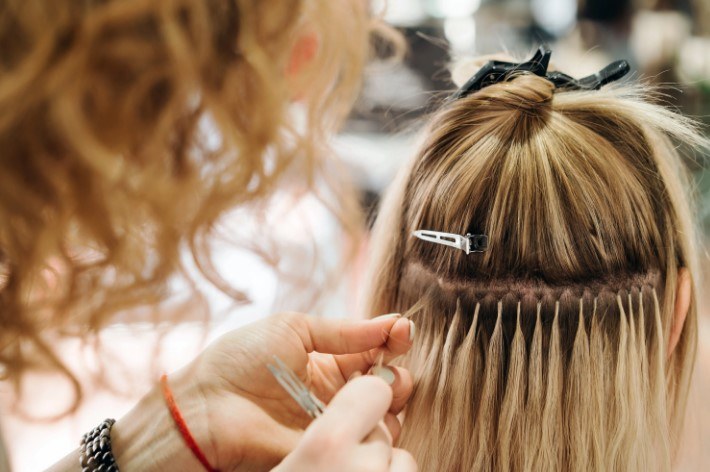
Timing matters less if your application technique is wrong. Warm the oil slightly (but not hot—test on your wrist first) to help it spread and absorb faster. Apply from mid-length to ends first, then work upward to the roots. Avoid dumping oil directly on your scalp unless you’re treating it specifically for dryness.
Use a wide-tooth comb to distribute the oil evenly through your hair. This prevents clumping and ensures every strand benefits equally. Section your hair into four quadrants (top, bottom, left, right) and work through each one methodically.
Wrap your hair in a warm towel or shower cap during the treatment. Heat opens the hair cuticle further, allowing deeper penetration. Sit somewhere you won’t move around too much—oil transfers to anything it touches.
Frequently Asked Questions
Can I leave oil in my hair for too long?
Yes. Beyond 60 minutes for normal hair, you risk buildup rather than benefit. The oil won’t penetrate further; it simply sits on the surface, making your hair heavy and difficult to wash out. Overnight treatments (8+ hours) work for thick, curly, or severely damaged hair, but avoid this for fine or thin hair.
How often should I do oil treatments?
Once weekly for dry or damaged hair. Once every two weeks for normal hair. Once monthly for fine or oily hair. Start with weekly treatments if your hair is struggling, then drop to maintenance frequency once it improves.
Does leaving oil longer make it more effective?
No. Most benefits occur between 30–45 minutes. Beyond that, you’re wasting time without extra reward. The diminishing returns principle applies: the first 30 minutes delivers 80% of the benefit; the next 30 minutes adds only 15%; staying longer adds almost nothing.
Should I oil my scalp differently than my hair lengths?
Yes. If you have an oily scalp but dry lengths, skip the scalp and focus on mid-length to ends. Leave the oil on for 30–45 minutes. If your scalp is genuinely dry (not just oily-looking from buildup), massage oil in and leave it for 20 minutes only—scalp skin is more sensitive than hair.
What’s the best time of week to do an oil treatment?
Whenever you have 45 minutes to an hour free. Many people treat oil application as a weekly Sunday ritual. Timing your treatment for a day when you can wash your hair the next day works best, as fresh oil looks fresher than day-old oil.
The answer to how long should you leave oil in your hair is straightforward once you know your hair type and the oil you’re using. Start with 30 minutes as your baseline, adjust up or down by 10 minutes based on your results, and stick with what works. Consistency beats perfection every time. Your hair will improve measurably within three to four weeks of weekly oil treatments—then you’ll wish you’d started sooner.