
Is Laser Hair Removal Painful? A Complete Guide to Comfort and Results
Contents:
- What Does Laser Hair Removal Actually Feel Like?
- Factors That Directly Affect How Much It Hurts
- Skin Tone and Hair Colour
- The Area Being Treated
- Your Pain Threshold and Mental State
- Time Since Your Last Session
- Preparation and Timing
- Laser Hair Removal vs. Electrolysis: What’s the Real Difference?
- Practical Strategies to Minimise Discomfort
- Before Your Appointment
- During Your Appointment
- After Your Appointment
- Common Mistakes to Avoid
- What About Different Laser Technologies?
- How Many Sessions Before Pain Decreases?
- FAQ: Your Questions About Laser Hair Removal Pain
- Is the pain worse than waxing?
- Will numbing cream really make a noticeable difference?
- What if I have a low pain threshold?
- Does it get easier or harder with each session?
- Are there areas that are genuinely too painful to treat?
- Making Your Decision
Around 67% of people considering laser hair removal list pain as their primary concern. Yet most discover the reality is far less frightening than they anticipated. The truth about laser hair removal discomfort sits somewhere between a minor inconvenience and a genuinely manageable experience, depending on several factors you can actually control.
What Does Laser Hair Removal Actually Feel Like?
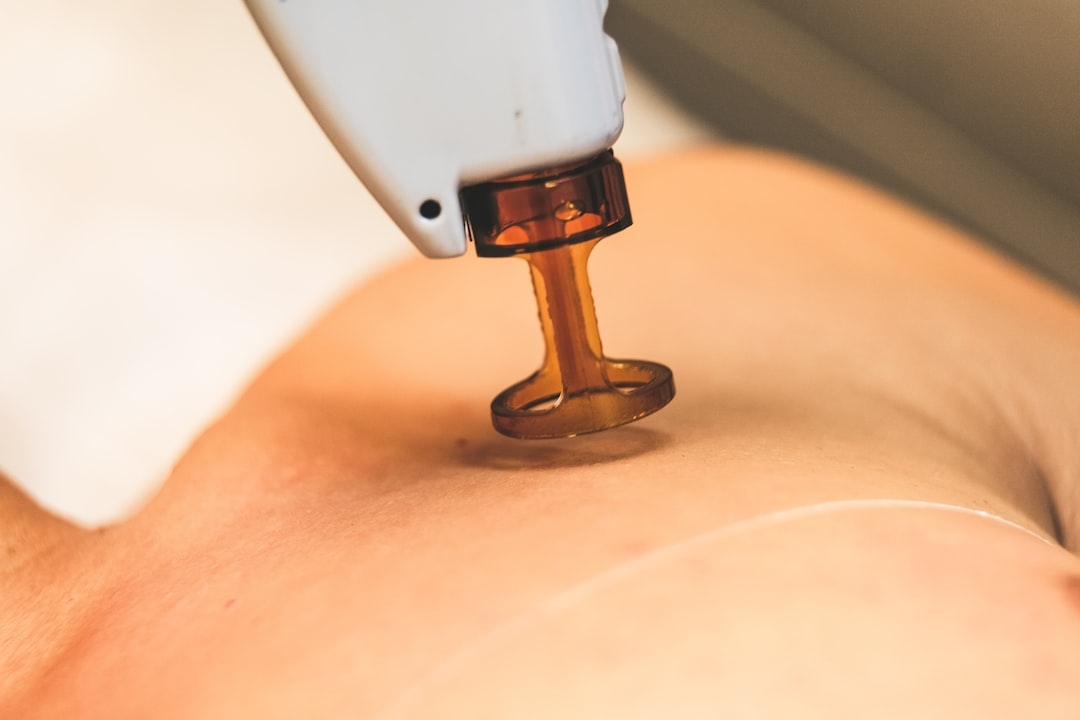
The sensation varies widely from person to person, but there’s a consistency to the descriptions. Most people report feeling a warm snapping or stinging sensation, similar to a rubber band being flicked against the skin repeatedly. Some liken it to the prickle of static electricity, while others describe it as a mild burning. The discomfort is typically brief—lasting only as long as the laser pulse itself, which is measured in milliseconds.
Your body’s pain perception during treatment depends heavily on the laser technology being used. Newer systems like Nd:YAG and diode lasers are designed with built-in cooling mechanisms that significantly reduce discomfort. Older flash lamp technology, whilst still effective, tends to feel more intense. A reputable clinic in 2026 should be using devices released within the last few years.
The pain isn’t constant throughout your session. Small areas like the upper lip might take 30 seconds and feel relatively mild. Larger areas like legs or backs can take 20-40 minutes, but the cumulative discomfort doesn’t typically build—each pulse is separate, so you experience the same sensation repeatedly rather than escalating pain.
Factors That Directly Affect How Much It Hurts
Skin Tone and Hair Colour
This is the biggest variable. If you have fair skin and dark hair, the contrast means the laser works more efficiently and requires less energy, resulting in gentler pulses. People with darker skin tones or light hair typically require higher settings, which can increase discomfort. This is why your clinician should perform a thorough skin assessment before treatment—it directly influences the power settings used.
The Area Being Treated
Not all areas of your body have equal sensitivity. The bikini line, underarms, and face tend to be more sensitive than legs or arms. This isn’t just perception—these areas have thinner skin and denser nerve endings. Expect slightly more discomfort in these zones, though even this is manageable for most people.
Your Pain Threshold and Mental State
Anxiety amplifies perceived pain significantly. Someone dreading their appointment will genuinely feel more discomfort than someone approaching it calmly. This is measurable—studies show that people who’ve received clear information about what to expect report 40% less perceived pain than those kept in the dark.
Time Since Your Last Session
Your first session is typically the most uncomfortable because the hair is densest. By your fourth or fifth appointment (about 8-12 weeks later for most people), hair regrowth is noticeably lighter and thinner. This means lower laser settings are required, creating a genuinely easier experience as you progress through your treatment plan.
Preparation and Timing
Scheduling matters more than you’d think. Treatments on days when you’re well-rested and hydrated feel considerably less uncomfortable. Caffeine consumed within a few hours of treatment can make you more sensitive to pain. Your skin’s hydration level also plays a role—properly moisturised skin responds more gently to laser treatment.
Laser Hair Removal vs. Electrolysis: What’s the Real Difference?
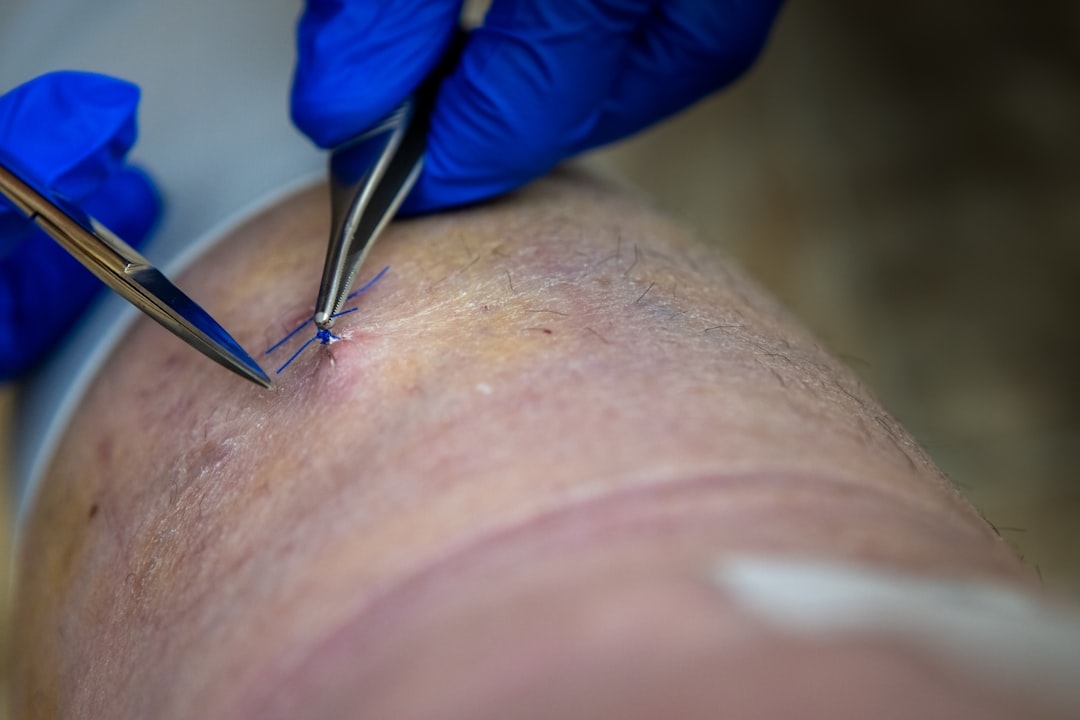
Electrolysis and laser hair removal are often confused because they’re both permanent solutions, but they’re fundamentally different processes with vastly different comfort profiles. Electrolysis works by sending an electrical current through a fine needle inserted into each individual hair follicle. It’s significantly more painful—most people describe it as sharp, precise stinging on each follicle. It’s also far slower, treating one hair at a time, meaning a full leg treatment can take dozens of sessions.
Laser hair removal covers a larger area with each pulse (typically 6-10mm), treating multiple hairs simultaneously. The sensation is uncomfortable but distributed and brief. For the same area, laser treatment is faster and most people find it noticeably less painful. If pain is a genuine concern, laser is the better choice between these two permanent options.
Practical Strategies to Minimise Discomfort
Before Your Appointment
- Exfoliate gently 24 hours before treatment to remove dead skin—it helps the laser work more efficiently with lower settings
- Avoid sun exposure for 2 weeks prior; sunburned skin is more sensitive and sensitive skin requires higher power settings
- Skip caffeine for 6 hours before your appointment
- Arrive hydrated and with clean skin free of any lotions or makeup
- Ask your clinic if they recommend a topical numbing cream like EMLA; applied 45 minutes before treatment, it can reduce sensation by 30-50%
During Your Appointment
- Request the lowest effective setting for your first session—you can always increase intensity at subsequent visits
- Communicate honestly if discomfort becomes too much; a good clinic will adjust settings or take breaks
- Breathe steadily; holding your breath increases tension and makes you perceive pain more sharply
- Use the cooling handpiece function between pulses if your clinic’s device offers it
- Ask about a handheld cooling fan—many clinics provide them, and the cooling effect is noticeably helpful
After Your Appointment
- Apply a soothing moisturiser with aloe vera immediately after treatment
- Avoid hot baths, saunas, or intense exercise for 24-48 hours; heat intensifies any residual sensation
- Skip exfoliating products for a week post-treatment
Common Mistakes to Avoid
Most people inadvertently make their experience more uncomfortable through avoidable choices. The biggest mistake is scheduling treatment during high-stress periods—your body’s pain sensitivity is genuinely elevated when cortisol levels are high. Another frequent error is starting with the most sensitive areas first; many clinics recommend treating legs or arms initially to let you acclimate before tackling more sensitive zones.
People also often skip the numbing cream assuming it won’t help significantly, then regret it halfway through. At £8-15 per tube, it’s inexpensive insurance. Perhaps the most common mistake is not asking detailed questions beforehand—clinicians expect and welcome questions about pain management. Silence often gets interpreted as “I’m comfortable,” so settings might not be adjusted to your preference.
What About Different Laser Technologies?
Not all lasers deliver the same experience. Alexandrite lasers, common in UK clinics, feel relatively comfortable due to their built-in sapphire cooling tip. Nd:YAG lasers are exceptionally powerful for darker skin types and include robust cooling systems. Diode lasers, often found in newer clinics, are marketed specifically for comfort with integrated cooling. Ask your clinic which technology they use and whether it’s been updated within the last 3 years.
How Many Sessions Before Pain Decreases?
You’ll notice a meaningful difference by session 3 (approximately 6 weeks in). Hair regrowth is thinner, requiring less intense laser settings. By session 5-6, the treatment often feels noticeably gentler because there’s simply less hair to target. This natural progression means your experience genuinely improves throughout your course of treatment, not worse.
FAQ: Your Questions About Laser Hair Removal Pain
Is the pain worse than waxing?
Waxing causes a sharp pull across large areas and leaves skin raw for hours. Laser treatment is gentler with quicker, shorter pulses and no lasting irritation. Most people who’ve experienced both prefer laser by a significant margin.
Will numbing cream really make a noticeable difference?
Yes, for most people it reduces discomfort by 30-50%. It’s particularly valuable for sensitive areas like the bikini line and underarms. Applied properly (thick layer, 45-60 minutes before treatment, occlusive wrap), it’s genuinely effective.
What if I have a low pain threshold?
Communicate this upfront. Clinicians can start with lower power settings, apply numbing cream, use cooling fans, and take breaks. Your experience should be manageable—clinics deal with nervous clients regularly and have strategies specifically for this.
Does it get easier or harder with each session?
Easier. As hair becomes finer and less dense, laser settings decrease in intensity. Sessions 5 and 6 typically feel noticeably more comfortable than session 1, assuming consistent treatment intervals.
Are there areas that are genuinely too painful to treat?
Most areas are treatable comfortably with numbing cream and appropriate settings. Very occasionally, someone finds the bikini line or inner thighs too uncomfortable, but this is rare—usually a sign that settings were too high or numbing cream wasn’t used.
Making Your Decision
The honest answer to “is laser hair removal painful?” is: it’s uncomfortable, not painful. The sensation is brief, manageable, and decreases with each session. If you’re sensitive to discomfort, there are concrete, evidence-backed strategies to minimise it. Your experience shouldn’t be a barrier to pursuing a solution that works for thousands of people monthly. Choose a reputable clinic with modern equipment, communicate your concerns openly, and approach your first appointment informed rather than anxious. Most people discover their anticipated dread was far worse than the actual experience.

Related Posts

Does Colour Remover Damage Hair? A Stylist’s Honest Guide

Is Hair Dead? Understanding Hair Biology and Care