
How to Check Hair Porosity: A Complete Guide to Understanding Your Hair
Contents:
- What is Hair Porosity and Why It Matters
- Method 1: The Float Test (Water Test)
- Method 2: The Feel Test (Texture and Moisture)
- Method 3: The Slip Test (Cuticle Observation)
- Seasonal Timeline: How Porosity Changes Throughout the Year
- Understanding the Results: What Your Porosity Means for Your Hair Routine
- Low Porosity Hair Care
- Normal Porosity Hair Care
- High Porosity Hair Care
- Practical Tips for Accurate Testing
- What if Your Results Are Inconsistent?
- FAQ: Common Questions About Hair Porosity
- Can you change your hair porosity?
- Does hair porosity affect curl pattern?
- Which porosity level is best?
- How often should I test my porosity?
- Does porosity affect how often you should wash your hair?
- Moving Forward: Your Porosity-Based Hair Care Plan
Most people believe that hair porosity is some mysterious secret you need expensive salon equipment to discover. That’s not true. You can actually check your hair porosity at home using methods so simple you probably already have everything you need in your bathroom cabinet.
Hair porosity is how well your hair absorbs and retains moisture. Test it by dropping a strand in water (low porosity sinks slowly, high porosity sinks immediately) or by feeling how quickly water beads or absorbs on wet hair. Low porosity hair resists moisture, normal porosity holds it well, and high porosity absorbs moisture quickly but loses it just as fast.
What is Hair Porosity and Why It Matters
Hair porosity is fundamentally about how your hair’s cuticles sit. Your hair shaft is covered with tiny overlapping cuticles that look like roof tiles. When those cuticles lie flat and close together, your hair has low porosity. When they’re raised and spread apart, you have high porosity. This directly determines how much moisture your hair can absorb and hold onto.
Understanding your hair porosity transforms your entire hair care routine. Someone with high porosity hair needs heavy moisturizing products and frequent treatments, whilst someone with low porosity hair needs lightweight formulas that won’t build up. Use the wrong approach, and you’ll struggle with frizz, breakage, or limp, weighed-down hair. Get it right, and your hair will look noticeably healthier within weeks.
The three porosity levels—low, normal, and high—sit on a spectrum. Most people’s hair falls somewhere in the middle with normal porosity, but many of us lean towards one end or the other. Some people even have different porosity levels on different parts of their head, which complicates things slightly but is absolutely manageable once you know what you’re dealing with.
Method 1: The Float Test (Water Test)
The float test is the quickest way to check your hair porosity at home. It takes about five minutes and requires only water and a glass.
Here’s how to do it:
- Pluck a clean strand of hair from your hairbrush. Make sure it’s not covered in product or dirt.
- Fill a glass with room-temperature water.
- Drop your hair strand into the water and watch what happens.
- Wait 5-10 minutes and observe whether the strand has sunk or floats.
What the results mean:
- Floats or stays at the top: Low porosity hair. Your cuticles are tightly sealed, so water struggles to penetrate.
- Sinks slowly to the middle: Normal porosity hair. Your hair absorbs and retains moisture at a healthy rate.
- Sinks immediately to the bottom: High porosity hair. Your open cuticles absorb water quickly.
A word of caution: this test isn’t foolproof. Hair density, texture, and even the thickness of your hair strand can affect the results. Someone with very fine hair might sink faster regardless of porosity. That’s why it’s worth using additional tests to confirm.
Method 2: The Feel Test (Texture and Moisture)
Your hands are surprisingly good at detecting porosity. This test relies on how your hair feels and how quickly it absorbs moisture.
Step by step:
- Wet a section of your hair completely with clean water.
- Feel the texture between your fingers. Pay attention to how quickly the moisture spreads through the hair.
- Observe how quickly your hair dries after you stop touching it.
What to notice:
- Low porosity: Water beads up on the surface rather than absorbing immediately. Your hair feels dry to the touch even when wet. It takes a long time to dry naturally (sometimes 24+ hours).
- Normal porosity: Water absorbs fairly quickly. Hair feels soft and absorbs moisture at a moderate pace. Dries within 12-18 hours depending on thickness.
- High porosity: Water is absorbed almost instantly. Hair feels soft and soaks up moisture immediately. Dries very quickly (within 2-6 hours), sometimes faster than you’d like.
The feel test works well for people who pay close attention to their hair’s behaviour. If you’ve been using the same shampoo for years, you probably already know roughly how long your hair takes to dry. That knowledge is useful here.
Method 3: The Slip Test (Cuticle Observation)
This method lets you directly observe your hair’s cuticle pattern, which is the physical basis of porosity.
How to perform it:
- Take a small section of damp hair and gently run your finger or thumb from the ends towards the roots.
- Now reverse direction, running your finger from the roots towards the ends.
- Pay attention to whether your finger catches on anything or if it runs smoothly.
Interpreting your results:
- Smooth in both directions: Low porosity. Your cuticles are lying flat and tightly packed.
- Slightly rougher when moving towards the ends: Normal porosity. Your cuticles have a natural pattern that feels fairly smooth overall.
- Noticeably rough or bumpy, especially towards the ends: High porosity. Your cuticles are raised and creating friction.
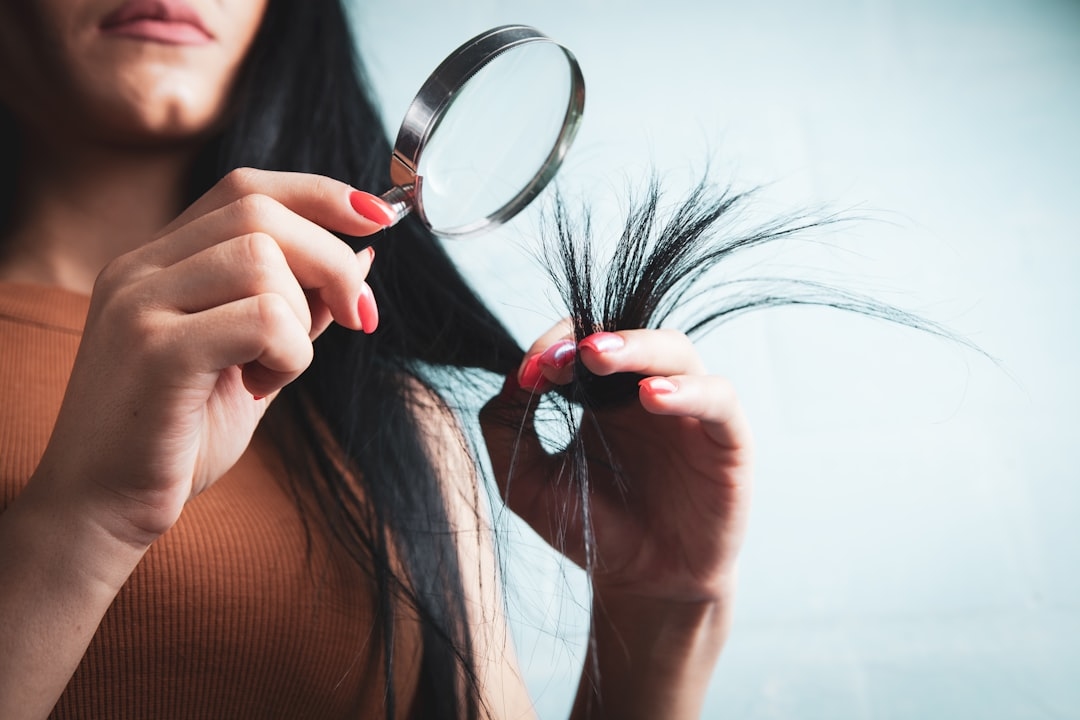
This test gives you the most direct physical evidence of your cuticle structure. It’s particularly reliable for people with textured or curly hair, where cuticles are naturally more lifted. For very straight hair, the differences can be more subtle.
Seasonal Timeline: How Porosity Changes Throughout the Year
Hair porosity isn’t completely fixed. Environmental factors can alter how your cuticles behave temporarily, which matters when you’re planning your 2026 hair care routine.
- Spring (March-May): Increasing humidity starts opening cuticles slightly. If you have low porosity hair, you might notice it becomes slightly easier to style. This is a good time to transition from heavy winter products to lighter formulas.
- Summer (June-August): Heat and high humidity can temporarily increase cuticle opening. High porosity hair loses moisture faster in the heat, so you’ll need more frequent hydrating treatments. Pool and sea water damage can temporarily raise porosity.
- Autumn (September-November): Decreasing humidity and temperature changes start closing cuticles. Low porosity hair becomes more resistant to moisture in the drier months. You might need heavier products again.
- Winter (December-February): Central heating and cold outdoor air both dry out hair. High porosity hair becomes even thirstier. Low porosity hair becomes more difficult to hydrate. Deep conditioning treatments become essential for everyone.
These seasonal shifts mean your porosity tests might give slightly different results at different times of year. Test your hair in spring and autumn to get a baseline understanding of your natural state, rather than testing only in peak summer heat or winter dryness.
Understanding the Results: What Your Porosity Means for Your Hair Routine
Low Porosity Hair Care
Low porosity hair needs lightweight products that won’t accumulate on the surface. Your cuticles are tightly sealed, so heavy creams will just sit on top and make your hair look greasy or weighed down. The goal is to use products that can penetrate despite the resistance.
Look for products with smaller molecular weights. Water-based leave-in conditioners work better than oil-heavy products. Protein treatments (used occasionally, every 4-6 weeks) help strengthen your hair. Heat helps open cuticles temporarily, so applying products to damp hair and using a blow dryer can improve absorption. Prices for good lightweight products typically range from £8-£18 for a bottle.
Normal Porosity Hair Care
You’re in a good position. Your hair accepts both hydrating and nourishing products fairly easily. A basic routine of shampoo, conditioner, and occasional deep conditioning treatments will work well. You have flexibility in product choices since your hair isn’t particularly resistant to moisture or prone to rapid moisture loss.
Normal porosity hair is more forgiving, so experimentation with different product types is easier. You might use products from across the price range without serious issues. A basic good-quality shampoo and conditioner can cost £10-£20 combined.
High Porosity Hair Care
High porosity hair needs heavy, rich products that seal moisture in. Your cuticles are already open, so lightweight formulas will disappear into your hair without providing lasting hydration. Think of high porosity hair as a thirsty sponge—it absorbs everything quickly but also releases it just as fast.
Oils, butters, and heavy conditioners are your friends. Protein treatments might seem attractive but should be used carefully since your hair already has gaps that don’t need filling. The goal is sealing in moisture, not adding more products your hair will lose. Expect to spend £12-£25 on good heavy-duty conditioners.
Practical Tips for Accurate Testing
Getting reliable results requires clean hair without product buildup. Buildup from styling products, silicones, or mineral deposits can give false results. Wash your hair thoroughly with a clarifying shampoo once before testing to strip away accumulated products. Wait at least three days after that clarifying wash before testing, since your hair needs time to settle into its natural state.
Test multiple strands for consistency. Different strands from different areas of your head might behave slightly differently. Testing five strands and comparing results gives you a more accurate picture than testing just one.
Don’t test immediately after colouring your hair. Chemical treatments temporarily alter hair structure and cuticle behaviour. Wait at least two weeks after colouring before making judgments about porosity.
Combined testing works best. Using all three methods—the float test, feel test, and slip test—and comparing results gives you the most reliable answer. If all three tests agree, you can be confident in your results.
What if Your Results Are Inconsistent?
Some people’s hair has different porosity in different areas. Your roots might have normal porosity whilst your ends have high porosity from cumulative damage. Your underneath layers might be different from your surface layers. This is actually quite common and means you’ll need a more nuanced approach to hair care.
In these cases, use products suited to your driest, highest-porosity areas. If your ends are high porosity, they need sealing. If your roots are low porosity, using the right technique (like applying products with heat) matters. You might even consider different treatment schedules for different sections of your hair.
FAQ: Common Questions About Hair Porosity
Can you change your hair porosity?
Your natural porosity—determined by genetics—doesn’t change fundamentally. However, damage can temporarily increase porosity, and good care can help your cuticles lie flatter and behave more like normal porosity hair. You can’t change your hair type permanently, but you can manage it better once you understand it.
Does hair porosity affect curl pattern?
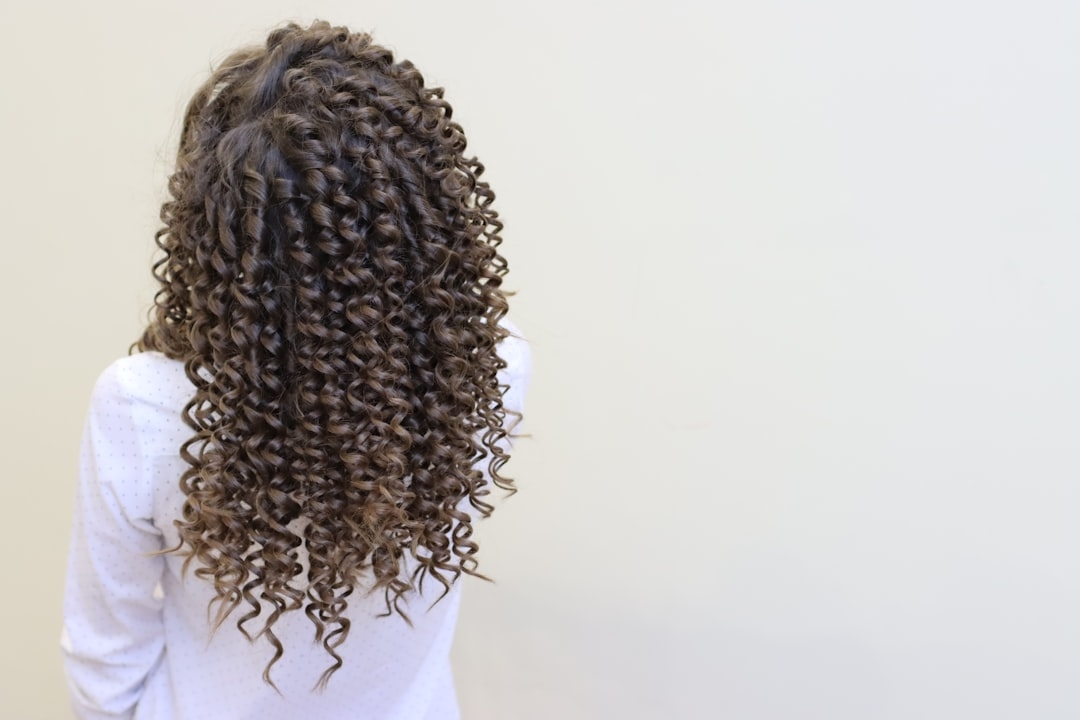
No, these are separate properties. You can have low porosity curly hair or high porosity straight hair. However, curly hair tends to have naturally higher porosity than straight hair because cuticles are more lifted. But an individual with straight hair could still have high porosity.
Which porosity level is best?
Normal porosity is generally easiest to maintain, but none is inherently “better.” Each type simply requires different care. High porosity hair can look absolutely gorgeous with the right heavy conditioners. Low porosity hair can be beautifully shiny with lightweight products and proper technique.
How often should I test my porosity?
Test once when you’re learning about your hair, and again if your hair changes noticeably—after major treatments, significant damage, or if your routine stops working well. Most people don’t need to test more than once annually unless they’ve had major chemical treatments.
Does porosity affect how often you should wash your hair?
Absolutely. Low porosity hair can sometimes go longer between washes since it resists moisture loss. High porosity hair often needs washing more frequently because it loses moisture rapidly. Normal porosity fits somewhere in the middle, usually comfortable with washing every 2-3 days.
Moving Forward: Your Porosity-Based Hair Care Plan
Now that you know how to check your hair porosity, the real work begins. Testing your hair is just the first step towards understanding what it actually needs. Armed with this knowledge, you can stop guessing about which products will work and start making informed choices based on your hair’s actual structure.
Start with the float test this week for a quick initial assessment, then do the feel test and slip test to confirm. Write down your results. Over the next month, notice how your hair responds to different products and routines. You’ll probably discover that products you’ve been using for years either make perfect sense now or finally explain why your hair never cooperated with them.
The real goal of understanding how to check hair porosity isn’t just satisfying curiosity—it’s giving you the power to develop a personalized routine that actually works for your unique hair. That’s worth the few minutes it takes to test.