
How to Grow Out Grey Hair: A Complete Guide to Embracing Your Silver Transition
Contents:
- Understanding Your Grey Hair Growth
- The First Decision: Cold Turkey vs. Gradual Transition
- Regional Approaches to Growing Out Grey
- Strategic Cutting During the Transition
- What the Pros Know
- Colour vs. Confusion: Growing Out Grey Isn’t the Same as Going Platinum
- Hair Care During the Transition
- Managing the Two-Tone Reality
- Timeline Expectations
- Styling Tips for the Transition
- Addressing the Coarseness Question
- Frequently Asked Questions
- The Reality Beyond the Transition
Growing out grey hair is one of those beauty decisions that feels monumental until you actually commit to it. One day you’re scheduling fortnightly root touch-ups, the next you’re asking yourself why you’ve spent the last decade covering something so distinctly yours. The transition period—that messy middle stretch where your natural grey meets your previous colour—is where most people stumble. But the truth is, this phase doesn’t have to be chaotic. With the right strategy, patience, and understanding of what’s actually happening on your scalp, you can transform your grey growth into something genuinely striking.
Understanding Your Grey Hair Growth
Before tackling the how-to, it helps to understand the why. Grey hair isn’t actually grey—it’s the absence of melanin, the pigment responsible for hair colour. As you age, your hair follicles produce less melanin, eventually stopping altogether. The texture and growth rate of grey hair can differ significantly from pigmented hair, which matters when you’re growing out a transition.
The average human head contains approximately 100,000 hair follicles, and if you’ve been colouring your hair, you’re looking at anywhere between 10–30% regrowth per month depending on your hair growth rate (typically 0.5 inches per month). This timeline matters because it directly determines how long your transition will take. If you have shoulder-length hair, expect a year to 18 months of visible roots before the coloured hair is fully grown out—longer if your hair is thicker or grows more slowly.
The First Decision: Cold Turkey vs. Gradual Transition
There are two legitimate approaches here, and your choice shapes everything that follows. Cold turkey—cutting off all coloured hair at once—is the fastest route but requires confidence and a solid crop. You’re essentially hitting reset, starting fresh with 2–3 inches of natural grey hair. It takes courage, particularly if you’re used to longer styles, but some people find the psychological shift refreshing.
The gradual transition, by contrast, keeps your length whilst managing the two-tone effect. This is what most people pursue, and it demands more strategy. You’re essentially wearing a two-colour style for months, which can look intentional and modern if managed well, or haphazard if neglected. The difference lies entirely in cut and maintenance.
Regional Approaches to Growing Out Grey
Interestingly, the approach to grey hair varies across the UK. In London and the South East, many salons embrace the “rooted blonde” or deliberately grown-out aesthetic—think of it as intentional low-maintenance. The North, by contrast, has traditionally favoured a tidier, more managed appearance, meaning gradual transitions here often involve more frequent salon visits to maintain subtle blending. The West Coast approach (if we’re drawing parallels to international trends visible in British salons) leans heavily into the natural movement: less intervention, more embrace of the authentic regrowth. Your location and local salon culture can actually influence what feels “normal,” which matters for confidence during the transition.
Strategic Cutting During the Transition
This is the linchpin of a successful gradual transition. Most people make the mistake of maintaining their usual cut schedule without acknowledging that a two-tone style needs different geometry.
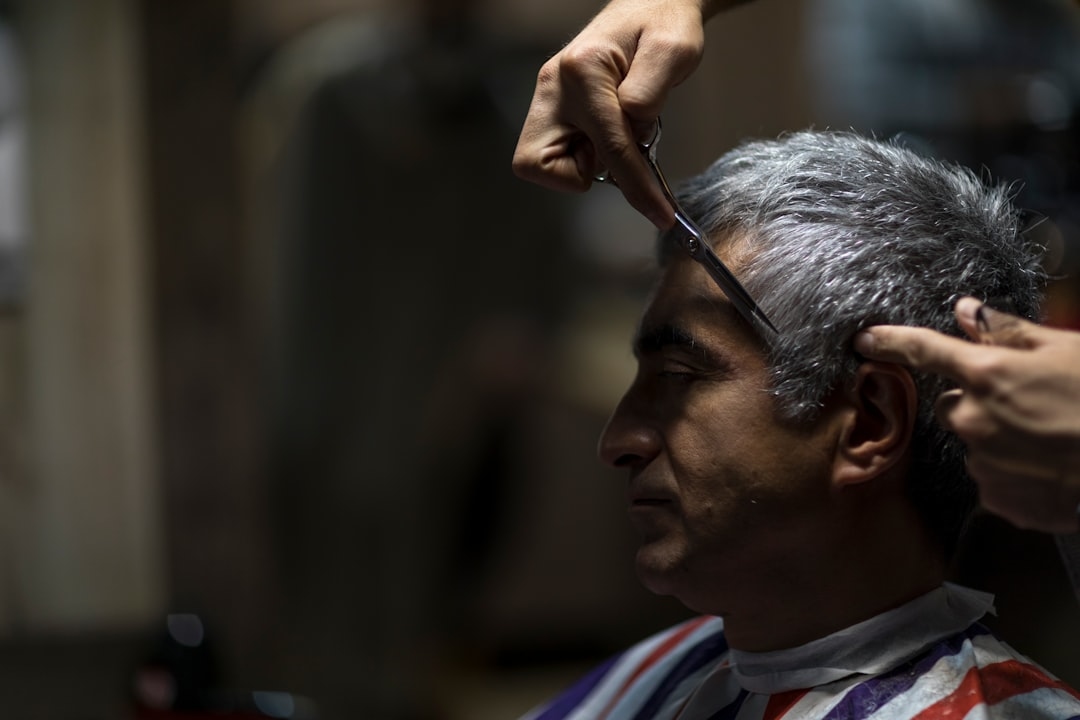
The frame cut: Every 6–8 weeks, have your stylist cut away the coloured ends whilst keeping the bulk of the length. This maintains the grey-to-colour ratio at the crown and face, where it’s most visible. Frame cuts emphasise the grey around your face, turning regrowth into a feature rather than a flaw. Done well, this looks intentional and modern.
Strategic blending: Some stylists offer what’s called “shadow rooting” or “colour blending”—a technique where they apply a semi-permanent or demi-permanent colour to your grey roots, not to match your previous colour but to blend the two tones together. This isn’t covering; it’s creating transition. A professional might use something like a level-6 or level-7 ash tone to bridge grey and your original colour for 4–6 weeks. The cost typically ranges from £60–£120 depending on your location and stylist reputation, though this is optional and entirely about personal preference.
What the Pros Know
Professional stylists understand that the hardest part of growing out grey hair isn’t the regrowth—it’s the psychological adjustment to change. Many clients come in convinced they’ll “hate” their grey, only to feel liberated three months in. The pro move is to commit to a minimum of three months before deciding it’s not working. Your brain needs time to adjust to your reflection. Additionally, professionals know that grey hair often requires slightly different care because it tends to be coarser and can absorb moisture differently, which we’ll cover below.
Colour vs. Confusion: Growing Out Grey Isn’t the Same as Going Platinum
One commonly confused idea: growing out grey hair is not the same as asking your stylist to go platinum blonde or silver. Platinum is a deliberate colour applied to lightened hair, requiring bleach and toning every 4–6 weeks. Growing out grey is revealing your natural colour whilst managing the transition. They look superficially similar but require entirely different maintenance philosophies. One is active, ongoing colour commitment; the other is active disengagement from colour commitment. The distinction matters because if you’re doing the latter, you’ll eventually move away from salon visits altogether, whereas platinum blonde demands them indefinitely.
Hair Care During the Transition
Grey hair has different needs than pigmented hair, and these differences become apparent during your transition. Grey hair is often coarser and drier because it lacks the protective cuticle structure that melanin provides. Additionally, it can yellow slightly when exposed to environmental factors like chlorine or pollution.
Shampoo and conditioner: Switch to a purple-toned or violet shampoo about two weeks in, even if you’re only partially grey. This neutralises any yellow undertones and can be applied to your entire head. Brands like Fanola (around £8–£12 per bottle) or Wella (£5–£10) are widely available in the UK and highly rated. Use it once or twice weekly, not daily, to avoid over-toning. Follow with a hydrating conditioner; grey hair drinks moisture. Consider a weekly deep conditioning treatment—something like a moisture mask applied for 10–15 minutes. This costs £6–£15 per tube and makes a visible difference.
Heat protection: Keep blow-drying to a minimum during transition. Heat can exacerbate dryness and make regrowth look brittle. Air-dry when possible or use a medium-heat setting. A heat-protectant spray (£4–£10) applied before blow-drying helps; it’s a small investment that prevents visible damage.
Scalp care: Your scalp may become more sensitive during transition because you’re no longer regularly lifting the cuticle with colour. If you experience itching or dryness, use a scalp treatment or even simple coconut oil (applied to the scalp, not the strands) once weekly.
Managing the Two-Tone Reality
The months when your grey and coloured hair are equally visible require the most active management. Your options: lean into it, minimise it, or mask it temporarily.
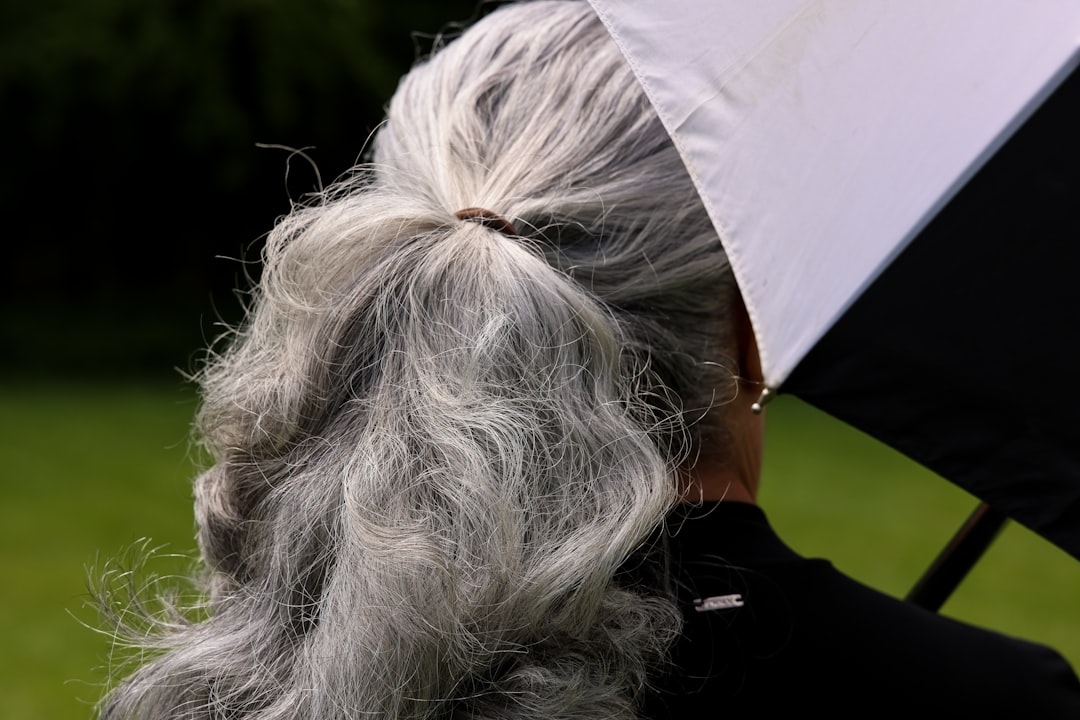
Leaning in: This is the modern approach. Wear your transition boldly. Shorter styles or blunt bobs make two-tone hair look intentional. Styles with movement or texture (waves, curls) can blur the line between regrowth and colour. If you have the confidence, this phase can actually look editorial and striking. Many women report feeling more authentic during this period than at any other point in their colour journey.
Minimising it: Stick with styles that place the two-tone effect further down your hair shaft, away from your face. Sleek buns, braids, or longer layers that draw the eye downward reduce visibility of regrowth at the crown. It’s not hiding; it’s strategic styling.
Temporary masking: Dry shampoos and root concealers offer a quick fix on days when you need to feel polished. Root spray (brands like Batiste, £3–£5) comes in various shades and washes out with your next shampoo. It’s particularly useful if you have a big event during an awkward transition phase. This isn’t cheating—it’s pragmatism. You can use these whilst still committed to growing out.
Timeline Expectations
Set realistic expectations before you start. If your natural grey is 100% (you have no pigmented hair left), you have one timeline. If you have 30% grey and 70% pigmented hair, you have another. For someone with average hair growth (0.5 inches per month) and shoulder-length hair (approximately 12–14 inches of coloured length):
- Month 1–3: Visible regrowth becomes apparent; some people embrace it, others feel uncomfortable
- Month 4–6: The two-tone effect is unmissable; this is the threshold period where commitment is tested
- Month 6–12: The ratio begins shifting; you start looking less “in transition” and more intentionally styled
- Month 12–18: Coloured ends are becoming a minority; your natural grey dominates
- Month 18+: You’re ready to cut off the last of the coloured hair, or you’ve already done so
This timeline compresses if you cut regularly. Removing 0.5–1 inch every six weeks accelerates the process, meaning you could be fully grey by month 12 instead of 18. It extends if your hair grows slowly or if you’re reluctant to cut significant length.
Styling Tips for the Transition
Certain styles genuinely look better during regrowth. A shoulder-length shag or choppy style with layers plays with the two-tone effect naturally. A blunt bob makes regrowth almost invisible at the crown because the line sits lower. Long straight hair shows regrowth most obviously, which can feel stark but also looks undeniably intentional. Textured styles (waves, curls) blur boundaries between colour zones, making the transition feel softer.
Fringes deserve a special mention. A newly cut fringe is entirely your natural grey, making it a bold statement and immediately shifting the visual focus away from crown regrowth. Some people use a fringe as a psychological anchor during transition—a visible piece of the “new you” that makes the rest feel less chaotic.
Addressing the Coarseness Question
You may have heard that grey hair is coarser and harder to manage. This is partially true. Grey hair often has a slightly different diameter and moisture-absorption rate than pigmented hair. This doesn’t mean it’s worse—it means your styling approach needs adjustment. Use a hydrating serum or lightweight oil on damp strands to manage texture. Avoid heavy mousse or gel; instead, opt for sea salt spray or a light defining cream if you want texture. A 100ml bottle of quality argan oil or lightweight serum costs £8–£20 and lasts several months.
Frequently Asked Questions
Q: Will my grey hair be the same colour as my natural colour was decades ago?
A: Not necessarily. Your natural grey shade may be different from the hair colour you had at age 8 or 18. Factors including genetics, sun exposure, and overall health influence the final shade. You might end up with a warm-toned grey or a cool platinum or something entirely unexpected. This is part of the adventure—and many people find their natural grey more beautiful than they anticipated.
Q: Can I use temporary dyes during transition?
A: Yes, but understand the difference between semi-permanent and permanent. Semi-permanent dyes (lasting 4–12 washes) can add tone to grey hair without commitment and wash out gradually. Permanent dye restarts the clock on your transition. If you use semi-permanent occasionally for events, you’re still committed to growing out. If you revert to permanent, you’re essentially restarting. Choose based on your genuine commitment level.
Q: What if I hate my grey hair after growing it out?
A: You’re not locked in. You can re-colour any time. That said, give yourself a minimum of three months before deciding. Your brain’s perception of your own appearance shifts over time. What feels shocking in week two often feels normal and even attractive by month three. If you genuinely dislike it after three months, colouring again is always an option—no judgment.
Q: How often should I cut my hair during transition?
A: Every 6–8 weeks is standard for maintaining style and removing damaged ends. If you’re committed to going full grey, you could extend to 8–10 weeks once you’re confident in your style. More frequent cuts speed up the transition; less frequent cuts extend it.
Q: Do I need special shampoo specifically for grey hair?
A: Not essential, but beneficial. A purple-toned shampoo helps manage yellowing, which grey hair is prone to. A standard moisturising shampoo works fine if budget is a concern; the key is keeping your hair hydrated, regardless of product name.
The Reality Beyond the Transition
Once you’re fully grown out, you’ve entered a genuinely low-maintenance phase of your hair journey. No root touch-ups, no colour damage, no permanent appointments. Your scalp benefits from years of not being processed. Your hair recovers from colour damage. You’re freed from the psychological weight of “covering up” something you’ve been taught to see as a flaw. Many women report feeling more confident and authentic once they’ve fully committed to how to grow out grey hair, regardless of what their final colour turned out to be. The transition is the hard bit—embrace it as the bridge between two versions of yourself, not as a problem to be solved.
Whether you’re doing this for reasons of authenticity, practical convenience, or pure curiosity, remember that your decision is entirely your own. Growing out grey hair isn’t trendy or countercultural—it’s increasingly simply normal. The most important element is your own genuine commitment. Once you’ve decided that how to grow out grey hair is your path forward, the practical tools to execute that decision are straightforward. Cut strategically, care for your hair’s changing needs, style intentionally, and give yourself permission to look different for a few months. The payoff is worth the effort.