

How to Stop Hair Receding: The Complete Guide to Reversing Hair Loss
Contents:
- Understanding Why Hair Recedes in the First Place
- Minoxidil (Regaine): The Over-the-Counter Option
- Finasteride (Propecia): The Prescription Approach
- Combination Therapy: Minoxidil Plus Finasteride
- Caffeine-Based Treatments: The Underestimated Option
- Nutritional Interventions: Addressing Root Causes
- Stress Management: The Overlooked Factor
- Low-Level Laser Therapy (LLLT) and Microneedling: Emerging Technologies
- When to Consider Hair Transplantation
- Comparison: Treatment Approaches Side-by-Side
- How to Choose Your Approach
- If You’ve Just Noticed Recession Beginning
- If Hair Loss Is Actively Accelerating
- If You Have Significant Baldness Already
- If Previous Treatments Disappointed
- Realistic Expectations and Timeline
- Frequently Asked Questions
- Can I use minoxidil and finasteride together?
- How long do I need to use these treatments?
- What happens if I miss doses of finasteride or minoxidil applications?
- Are there foods that help stop hair receding?
- Can stress alone cause hair receding?
- Why is my hair loss different from my friend’s even though we use the same treatment?
- Moving Forward: Your Action Plan
The most effective approaches to stop hair receding combine early intervention with personalised treatments. Minoxidil (Regaine) and finasteride (Propecia) show clinically proven results, whilst addressing underlying causes—stress, diet, and hormonal imbalances—amplifies success. Most people see visible improvement within 3-6 months with consistent treatment.
Your hairline is receding, and you’ve noticed it. Maybe it started gradually, a few millimetres here and there. Maybe it’s accelerated recently. Either way, you’re asking the same question millions of others have: can anything actually stop it?
The answer is yes. But only if you start now and choose the right combination of strategies for your situation.
Hair loss isn’t inevitable, nor is it one-size-fits-all. Some treatments work brilliantly for one person and disappointingly for another. That’s why understanding how to stop hair receding requires looking beyond the marketing hype and understanding the actual science, the realistic timelines, and the personal factors that determine whether a treatment will work for you.
Understanding Why Hair Recedes in the First Place
Before jumping into solutions, you need to understand what’s actually happening on your scalp. Hair receding most commonly happens due to androgenetic alopecia (male or female pattern baldness), which accounts for roughly 95% of hair loss in men and a significant portion in women.
The culprit? A combination of genetics and the hormone DHT (dihydrotestosterone). Some hair follicles are genetically sensitive to DHT. When DHT attaches to receptors on these follicles, it triggers a process called miniaturisation. The follicle shrinks, the hair becomes thinner and shorter, and eventually stops growing altogether.
Other causes of receding hairlines include thyroid disorders, autoimmune conditions, nutritional deficiencies, chronic stress, and hormonal fluctuations. This matters because if you’re treating purely for DHT sensitivity but your hair loss stems from an iron deficiency, you’ll be frustrated with results.
1. Minoxidil (Regaine): The Over-the-Counter Option
Minoxidil is one of the only two treatments with extensive clinical backing for stopping (and sometimes reversing) hair recession. It’s available without prescription in the UK under the brand name Regaine, costing between £15-£40 per month depending on strength and format.
Here’s what the research shows: In clinical trials, 5% minoxidil solution applied twice daily resulted in hair regrowth in approximately 45% of men and similar proportions in women. It doesn’t work for everyone, but when it does, you typically see results within 4-6 months of consistent application.
The mechanism is different from finasteride. Instead of blocking DHT, minoxidil is a vasodilator—it widens blood vessels and improves blood flow to hair follicles. This means it can work regardless of whether DHT sensitivity is your issue, making it useful for various types of hair loss.
The challenge? Consistency. Minoxidil requires twice-daily application indefinitely. Stop using it, and any regrowth halts within weeks. For some people, this is perfectly manageable. For others, the daily commitment becomes tedious after months or years.
Minoxidil foam is generally easier to apply than liquid solution, absorbs faster, and causes less greasiness. If you’re considering this route, the foam version typically offers better adherence despite the slightly higher cost.
2. Finasteride (Propecia): The Prescription Approach
Finasteride is the other heavyweight treatment, available on prescription in the UK as Propecia (brand name) or as generic finasteride from the NHS if prescribed by your GP. A month’s supply costs around £10-£15 on prescription, or £30-£50 privately if you’re not eligible for NHS coverage.
This medication works by inhibiting the enzyme 5-alpha reductase, which converts testosterone into DHT. By reducing DHT levels, it slows hair loss and can regrow hair in some cases. Clinical studies show approximately 80% of men experience hair loss stabilisation, with 65% showing actual regrowth.
Finasteride is a one-tablet-daily approach. No messy topicals, no twice-daily commitment. That simplicity appeals to many people. However, it only works for androgen-dependent hair loss, so it’s less universally applicable than minoxidil.
The considerations: Potential side effects include sexual dysfunction (affecting 1-3% of users) and hormonal changes. Most people tolerate it well, but these possibilities warrant discussion with your GP. Additionally, like minoxidil, stopping finasteride halts further progress—you’re not “curing” hair loss, you’re managing it.
Results take time. Most people need 6-12 months of consistent use to see meaningful changes. Patience is essential here.
3. Combination Therapy: Minoxidil Plus Finasteride
Research comparing these treatments individually versus combined shows a compelling picture. Using both together produces better results than either alone. The mechanisms are complementary—finasteride reduces the hormone driving loss, whilst minoxidil enhances follicle health and growth capacity.
For someone serious about stopping their receding hairline, this combination is typically the first-line prescription approach. The cost is modest (around £40-£60 monthly in the UK), and the commitment is straightforward: one daily tablet plus twice-daily topical application.
Many men combine prescription finasteride with over-the-counter minoxidil from chemists. This keeps costs lower than pursuing private prescriptions for both. Discuss this approach with your GP or dermatologist to ensure there are no interactions and that it’s appropriate for your specific situation.
4. Caffeine-Based Treatments: The Underestimated Option
Caffeine has received less attention than minoxidil but shows intriguing potential. Several German studies found that caffeine stimulates hair growth in vitro and extends the growth phase of hair follicles. Whilst the evidence is less robust than for minoxidil, caffeine-based shampoos and conditioners are inexpensive (£6-£15) and worth incorporating alongside other treatments.
Products like Plantur 39 Phyto-Caffeine Shampoo are specifically formulated to deliver caffeine to the scalp. They’re not standalone solutions for significant hair recession, but they make sense as part of a comprehensive routine. The advantage: zero side effects and affordability.
The limitation is clear—caffeine alone won’t stop pattern baldness driven by DHT sensitivity. But if you’re combining it with minoxidil and finasteride, adding a caffeine shampoo costs little and might provide marginal additional benefit.
5. Nutritional Interventions: Addressing Root Causes
Hair loss sometimes signals nutritional deficiency. Iron, zinc, biotin, vitamin D, and B vitamins all play roles in hair health. A simple blood test from your GP can identify deficiencies. If you’re low in any of these, supplementation might genuinely help.
Iron deficiency anaemia can accelerate hair loss, particularly in women. Ferritin levels below 30 micrograms per litre are associated with increased shedding. If this is your situation, addressing iron through diet (red meat, lentils, fortified cereals) or supplementation could noticeably improve your hair.
Biotin supplementation (2.5mg daily) shows evidence for strengthening hair and potentially reducing shedding, though the research is mixed. Cost is minimal—around £5-£12 monthly. It’s not a replacement for minoxidil or finasteride, but it removes a potential limiting factor.
The regional consideration: In the South of England and Southeast, where diets tend to be more varied and supplementation uptake higher, people often discover they’re already meeting nutritional needs. In less affluent areas across the North and Midlands, where fresh produce access can be limited, addressing nutritional gaps sometimes produces more dramatic hair health improvements.
A consultation with your GP or a registered dietitian is worthwhile if you suspect nutritional deficiency. Treating the underlying cause often produces results that topical treatments alone won’t achieve.
6. Stress Management: The Overlooked Factor
Chronic stress can trigger or accelerate hair loss through multiple mechanisms. Stress hormones like cortisol can push hair follicles prematurely into the shedding phase (telogen phase). Additionally, stress impairs immune function, exacerbating autoimmune-driven hair loss conditions like alopecia areata.
The evidence is clear: People who address underlying stress often see noticeable hair improvements within 2-3 months, even without pharmaceutical interventions. This doesn’t mean stress is the only factor, but it’s frequently a significant contributor.
Practical stress management approaches include regular exercise (30 minutes, 4-5 times weekly), meditation or mindfulness practice (10-15 minutes daily), and addressing sleep quality. These aren’t luxuries—they’re foundational to your body’s ability to maintain healthy hair growth.
If you’re combining finasteride or minoxidil with stress reduction, you’re removing a potential barrier to effectiveness. A stressed person’s results might plateau; the same person with improved stress management might see continued progress.
7. Low-Level Laser Therapy (LLLT) and Microneedling: Emerging Technologies
Low-level laser therapy (sometimes called photobiomodulation) uses specific wavelengths of light to stimulate hair follicles. Handheld devices and helmet-style treatments are available, ranging from £100-£800 depending on quality.
The evidence is modest but growing. Several studies show LLLT can reduce hair loss and potentially increase regrowth, though typically less dramatically than minoxidil. It works best as an adjunctive treatment—used alongside other approaches rather than as a standalone solution.
Microneedling involves creating tiny punctures in the scalp to trigger the body’s healing response and increase growth factor production. Professional treatments cost £150-£300 per session, whilst at-home derma rollers cost £20-£50. Evidence suggests it enhances other treatments’ effectiveness, particularly when combined with minoxidil.
These options suit people who want to maximise their chances or who’ve had incomplete results with minoxidil and finasteride alone. They’re not replacements for proven first-line treatments but worthwhile additions for comprehensive approaches.
8. When to Consider Hair Transplantation
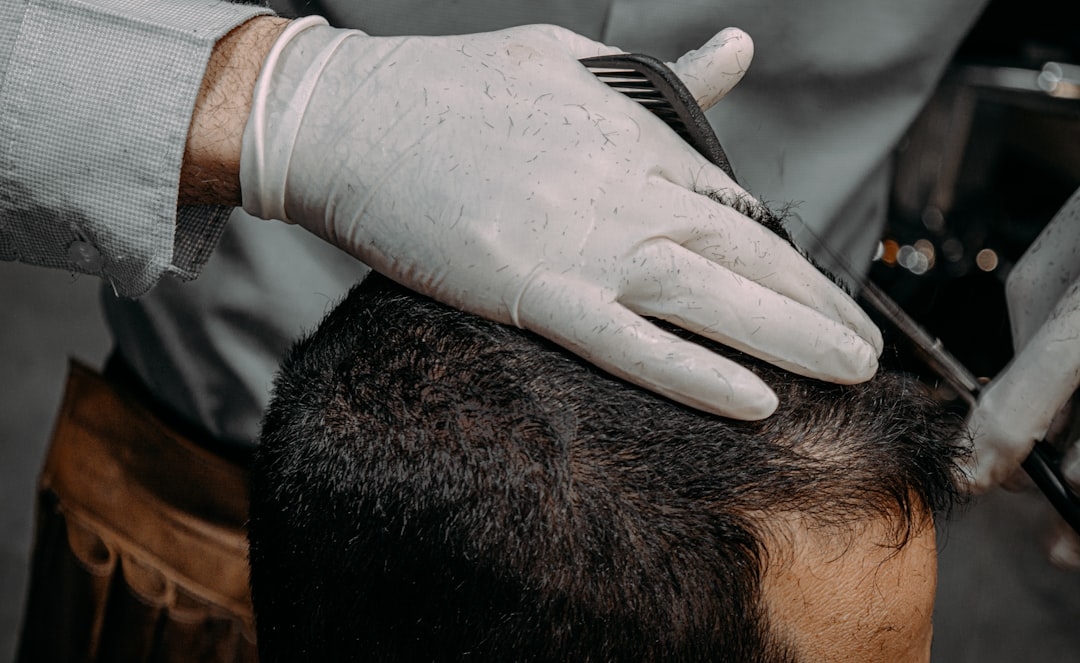
If medical treatments don’t arrest your hair loss or if you’re significantly bald already, hair transplantation becomes relevant. Modern FUE (follicular unit extraction) and FUT (follicular unit transplantation) procedures have excellent success rates, though they’re expensive.
In the UK, private hair transplants cost £4,000-£10,000 depending on the number of grafts needed. The NHS rarely covers transplants except in specific circumstances. The advantage: transplanted hair is typically permanent because it comes from areas genetically resistant to DHT.
However, transplantation doesn’t stop hair loss in non-transplanted areas. Most people combine transplantation with ongoing minoxidil and finasteride to preserve remaining hair and prevent future recession.
Comparison: Treatment Approaches Side-by-Side
| Treatment | Monthly Cost (GBP) | Time to Results | Effectiveness | Key Consideration |
|---|---|---|---|---|
| Minoxidil | £15-£40 | 4-6 months | 45% regrowth | Twice-daily application required |
| Finasteride | £10-£15 (NHS) | 6-12 months | 80% stabilisation | Prescription needed; potential side effects |
| Both Together | £40-£60 | 4-6 months | Best results | Maximum commitment but superior outcomes |
| Caffeine Shampoo | £6-£15 | 3-4 months | Modest alone | Best used alongside main treatments |
| Microneedling | £20-£50 (home) | 3-6 months | Modest alone | Enhances minoxidil effectiveness |
How to Choose Your Approach
If You’ve Just Noticed Recession Beginning
Start with minoxidil. It’s available without prescription, affordable, and shows results quickly. The twice-daily commitment is manageable when you’re motivated by early intervention. Add nutritional supplementation if blood tests show deficiencies. Incorporate stress management. This combination costs £25-£50 monthly and gives you 4-6 months to assess whether you’re responding.
If you see improvement, continue. If you’re not seeing results after 6 months, escalate to combining with finasteride.
If Hair Loss Is Actively Accelerating
Combine minoxidil and finasteride from the start. The additional cost (roughly £40-£60 monthly) is modest compared to losing significantly more hair whilst testing individual treatments. The evidence is clear: combination therapy outperforms either treatment alone.
Discuss this with your GP. Finasteride requires a prescription, and your doctor should confirm it’s appropriate for you and that you’re not taking medications that interact.
If You Have Significant Baldness Already
The medical treatments still help—they’ll preserve remaining hair and can produce some regrowth. However, hair transplantation becomes more relevant. Consult a reputable transplant surgeon. Most recommend combining transplantation with ongoing minoxidil and finasteride.
If Previous Treatments Disappointed
First, confirm you gave them adequate time. Six months minimum for any treatment. Second, verify consistency—missing applications or doses reduces effectiveness dramatically. Third, consider whether underlying issues (stress, nutritional deficiency, thyroid problems) are limiting response.
If you’re genuinely non-responsive to minoxidil and finasteride after 12 months of consistent use, discuss alternative approaches with a dermatologist. Microneedling, low-level laser therapy, or nutritional interventions might help, though expectations should be realistic.
Realistic Expectations and Timeline
Understanding realistic timelines prevents disappointment. Hair growth is slow. A single hair grows roughly 15 centimetres yearly. Miniaturised hairs (those affected by DHT) are thinner and shorter, so regrowing them takes time.
Months 1-3: You might notice reduced shedding—fewer hairs in the shower drain. This is positive but not yet visible regrowth. Some people feel discouraged at this stage because they expected dramatic results.
Months 4-6: Fine, short hairs often appear—peach fuzz-like regrowth. These are miniaturised hairs becoming thicker. At this stage, you might notice the hairline looking slightly fuller in certain lighting.
Months 6-12: Continued thickening of regrown hairs. The hairline becomes noticeably more stable. Some people see dramatic improvements; others see modest changes. Both are normal.
Beyond 12 months: Progress often continues beyond one year. Some people experience maximum benefit at 18-24 months. The key is sustained treatment—stopping resets progress.
Frequently Asked Questions
Can I use minoxidil and finasteride together?
Yes, combining them is evidence-based and recommended for moderate to significant hair loss. The mechanisms complement each other. Most dermatologists support this approach, and it’s safe when combined as directed.
How long do I need to use these treatments?
These are long-term management approaches, not temporary courses. Stopping either treatment halts progress within weeks to months. If you discontinue finasteride, any regrowth is lost within months. This doesn’t mean taking them forever is essential—your situation might change—but most people benefit from ongoing use if treatments are working.
What happens if I miss doses of finasteride or minoxidil applications?
Occasional missed doses rarely cause problems. However, consistency is important. Missing applications of minoxidil regularly reduces effectiveness significantly. Finasteride is more forgiving—a missed dose won’t derail progress—but consistent daily use maximises benefits.
Are there foods that help stop hair receding?
No foods are substitutes for proven treatments. However, adequate protein, iron, zinc, and B vitamins support hair health. Diets deficient in these nutrients might impair your results with medical treatments. Focus on adequate nutrition as foundational, then add targeted treatments on top.
Can stress alone cause hair receding?
Chronic stress can trigger or accelerate hair loss, particularly in people genetically predisposed. Addressing stress often improves results from treatments but rarely reverses significant pattern baldness independently. Treat stress management as essential to your overall approach, not as an alternative to medical treatments.
Why is my hair loss different from my friend’s even though we use the same treatment?
Individual variation in response is normal. Genetics, age, baseline hormone levels, nutritional status, stress, and overall health all influence treatment outcomes. A 30-year-old with early recession might respond excellently to minoxidil alone, whilst a 45-year-old with more advanced loss might need both treatments plus microneedling. Your situation is unique.
Moving Forward: Your Action Plan
Hair recession stops when you address it—not when you wish it away. The science is clear: early intervention produces better outcomes than waiting. The most effective treatments available in 2026 are minoxidil and finasteride, either alone or combined, supported by lifestyle factors addressing stress, nutrition, and sleep.
Start with your GP. A simple consultation establishes what’s driving your hair loss, rules out underlying medical conditions, and provides access to finasteride if appropriate. If you prefer starting without prescription, minoxidil is available today from any chemist.
Set realistic expectations: 4-6 months before noticeable change, sustained improvement over 12-24 months, and ongoing treatment to maintain results. Document your starting point with photos in consistent lighting—visible change is often subtle and easier to track visually than by feel.
Most importantly, start now. Every month without treatment is another month of progressive hair loss. Whether you’ve just noticed recession or you’ve been managing it for years, the time to act is always today.