
Can Dry Scalp Cause Hair Loss? What You Really Need to Know
Contents:
- Understanding the Dry Scalp and Hair Loss Connection
- How Dry Scalp Damages Hair Follicles
- The Inflammation Factor
- Weakened Hair Shaft Structure
- Barrier Function Breakdown
- Dry Scalp vs. Dandruff: A Commonly Confused Distinction
- What Actually Causes a Dry Scalp?
- Evidence-Based Solutions for Dry Scalp and Hair Retention
- Adjusting Your Washing Routine
- Choosing Scalp-Friendly Products
- Targeted Moisturising Treatments
- Environmental Adjustments
- When to Seek Professional Help
- FAQ: Your Dry Scalp Questions Answered
- Does dry scalp cause permanent hair loss?
- Can coconut oil cure a dry scalp?
- How long does it take to reverse dry scalp shedding?
- Is dandruff shampoo safe if I have a dry scalp?
- Can stress cause dry scalp and hair loss?
- Moving Forward: Building Scalp Resilience
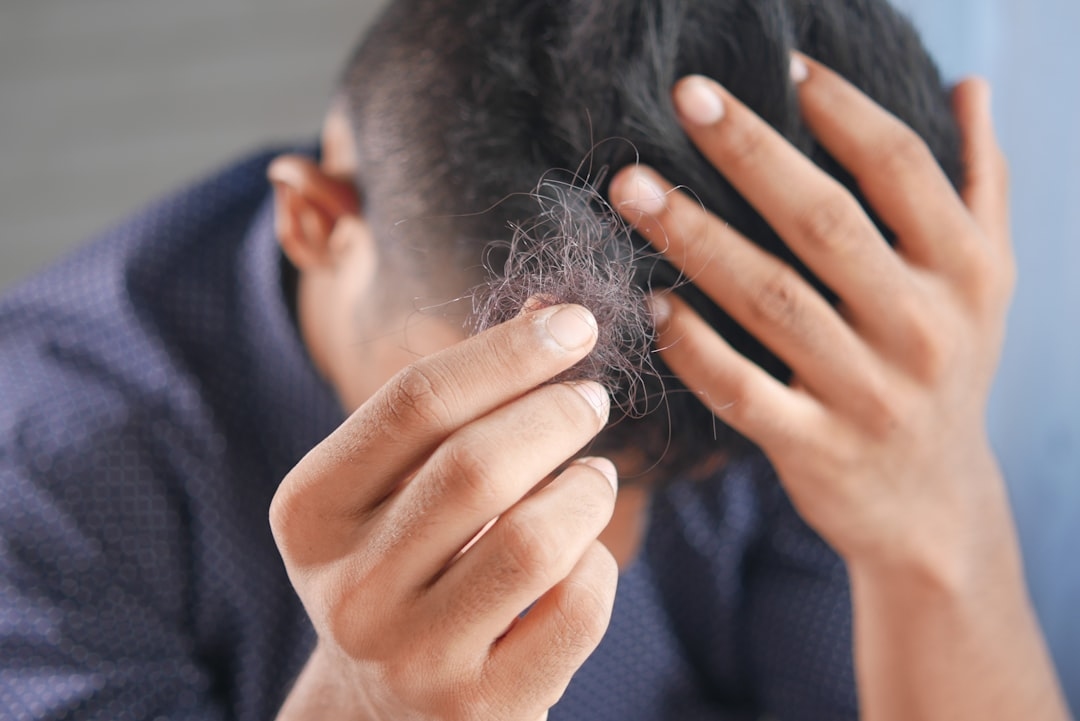
You’re in the shower, and the moment water touches your head, your scalp begins to itch intensely. You dry your hair afterwards and watch as flakes fall onto your shoulders like unwanted snow. Then comes the worry: are those loose strands in your brush evidence of something serious? Can a dry scalp actually trigger hair loss?
Understanding the Dry Scalp and Hair Loss Connection
The relationship between dry scalp and hair loss is more nuanced than a simple cause-and-effect. A dry scalp alone doesn’t directly cause permanent hair loss. However, the discomfort and inflammation that accompany a persistently dry scalp can weaken hair at the root, leading to increased breakage and temporary shedding. The distinction matters: dry scalp typically causes temporary hair thinning, not permanent baldness.
When your scalp lacks moisture, the skin barrier becomes compromised. This triggers inflammation, itching, and flaking. Over time, this irritation can stress hair follicles, causing them to enter the telogen (resting) phase prematurely. The result is noticeably more hair falling out during washing or brushing—a condition called telogen effluvium.
How Dry Scalp Damages Hair Follicles
The Inflammation Factor
Chronic inflammation on a dry scalp creates a hostile environment for hair growth. When your scalp’s outer layer becomes dehydrated, it triggers an inflammatory response. This inflammation produces cytokines—chemical messengers that can signal hair follicles to stop growing and enter dormancy. Research suggests that scalp inflammation lasting more than 6-8 weeks can produce visible shedding increases of 20-30% above normal levels.
Weakened Hair Shaft Structure
Hair grows from follicles embedded in the scalp, receiving moisture and nutrients through blood vessels at the root. When the scalp is chronically dry, this nutrient delivery becomes less efficient. The hair shaft itself becomes brittle and prone to snapping, rather than shedding from the root. You might notice shorter, broken hairs rather than full-length strands coming loose.
Barrier Function Breakdown
Your scalp naturally produces sebum—an oily secretion that protects the skin and hair. Excessive washing, harsh products, or environmental factors can strip away this protective layer faster than your body can replace it. Once this barrier erodes, moisture evaporates rapidly, and the scalp becomes vulnerable to bacterial and fungal overgrowth, which further aggravates shedding.
Dry Scalp vs. Dandruff: A Commonly Confused Distinction
Many people conflate dry scalp with dandruff, but they’re distinctly different conditions with different underlying causes. Dry scalp results from insufficient moisture and typically feels tight and uncomfortable. Dandruff, by contrast, is usually caused by an overgrowth of Malassezia fungus or seborrheic dermatitis—an inflammatory skin condition.
Dandruff flakes are typically oily and yellow-tinged, whereas dry scalp flakes are white and feel rough. Crucially, dandruff-related shedding often doesn’t respond well to simple moisturising alone; it requires antifungal treatment. If you’ve been moisturising heavily but still shedding, you might actually be dealing with dandruff rather than dryness. A dermatologist can confirm the diagnosis within 10-15 minutes using a simple visual examination.
What Actually Causes a Dry Scalp?
- Climate and seasons: Winter air, central heating, and low humidity strip moisture from skin, including your scalp
- Frequent washing: Washing hair more than four times weekly can deplete natural oils faster than they regenerate
- Hot water exposure: Water above 45°C opens the scalp’s cuticles and accelerates moisture loss
- Harsh products: Sulphate-laden shampoos and styling products can damage the scalp barrier
- Chlorine: Chlorinated water from swimming pools bonds to hair and scalp, causing dehydration
- Underlying conditions: Eczema, psoriasis, and thyroid disorders can manifest as scalp dryness
- Medications: Certain antihistamines and blood pressure drugs can reduce sebum production
Evidence-Based Solutions for Dry Scalp and Hair Retention
Adjusting Your Washing Routine
Reduce washing frequency to 2-3 times weekly, and always use lukewarm water (below 40°C). This gives your scalp adequate time to replenish natural oils. For days between washes, use a dry shampoo or cornstarch-based product—both affordable options available at most supermarkets for £3-6—to absorb excess oil without stripping moisture.
Choosing Scalp-Friendly Products
Look for shampoos labelled “sulphate-free” and “fragrance-free,” as these are gentler on a compromised barrier. Ingredients like ceramides, glycerin, and panthenol actively draw moisture into the scalp. A quality moisturising shampoo costs £8-15 per bottle and typically lasts 4-6 weeks with proper use. After shampooing, always condition the scalp—not just the ends—to seal in hydration.
Targeted Moisturising Treatments
Weekly scalp treatments can reverse dryness within 3-4 applications. Apply a hydrating mask or oil—coconut, jojoba, or argan oil all work effectively—directly to the scalp 30 minutes before shampooing. This preps the scalp to absorb moisture and reduces inflammation. For an eco-conscious option, choose oils with sustainable sourcing certification; many brands now specify their environmental practices on packaging.
Environmental Adjustments
If you live in a dry climate or use central heating, place a humidifier in your bedroom during winter. Adding 30-40% humidity to your sleeping environment significantly reduces overnight scalp dehydration. A basic humidifier costs £25-50 and can improve skin hydration across your entire body, not just your scalp.
When to Seek Professional Help
If your hair shedding exceeds 100-150 strands daily (the normal range is 50-100), or persists despite consistent moisturising efforts for 8+ weeks, book an appointment with a dermatologist. Unexplained shedding can signal vitamin deficiencies, hormonal shifts, or other underlying health conditions unrelated to scalp dryness. The NHS typically refers patients to dermatology within 2-4 weeks of GP referral.
FAQ: Your Dry Scalp Questions Answered
Does dry scalp cause permanent hair loss?
No. Hair loss from dry scalp is temporary and reversible. Once you restore scalp hydration, shedding typically decreases within 2-3 weeks, and hair regrows normally within 3-6 months.
Can coconut oil cure a dry scalp?
Coconut oil provides temporary relief but isn’t a cure. It works best as a weekly treatment, not a daily conditioner—daily application can trap bacteria and worsen inflammation in some cases. Combine it with reduced washing frequency and gentler products for lasting results.
How long does it take to reverse dry scalp shedding?
Most people see reduced shedding within 2-3 weeks of consistent scalp care. Visible improvements in hair texture and thickness take 6-8 weeks. Patience is essential; your scalp’s natural oil production cycle takes time to rebalance.
Is dandruff shampoo safe if I have a dry scalp?
Not always. Dandruff shampoos contain antifungal agents designed for oily scalps. Using them on a dry scalp can intensify dryness and irritation. Get a professional diagnosis first to confirm whether you have dryness or dandruff before treating.
Can stress cause dry scalp and hair loss?
Stress doesn’t directly cause dry scalp, but it can suppress your immune system and reduce sebum production, making existing dryness worse. Stress-triggered hair loss typically manifests as telogen effluvium (diffuse shedding) rather than localised dry patches.
Moving Forward: Building Scalp Resilience
Can dry scalp cause hair loss? The honest answer is: it complicates hair retention rather than causing irreversible baldness. The shedding you experience is your scalp’s cry for hydration and care—a reversible signal, not a permanent condition. By adjusting your routine, choosing gentler products, and treating your scalp with the attention it deserves, you can stop the shedding cycle and restore healthy growth within weeks.
The most effective approach combines reduced washing frequency, targeted moisture treatments, and identifying (or ruling out) other underlying causes. Start with one change this week—perhaps swapping to cooler water or introducing a weekly scalp mask—and track your shedding over the next 4-6 weeks. You’ll likely notice improvement sooner than you expect.