

Should You Apply Hair Oil on Wet or Dry Hair?
Contents:
- Understanding Hair Oil Application: Wet Versus Dry
- Why Damp Hair Works Best for Oil Application
- The Science Behind Damp Application
- What About Completely Wet Hair?
- Application Technique for Maximum Effectiveness
- Timing Considerations for Different Hair Types
- Common Confusion: Hair Oil Versus Hair Serum
- What the Pros Know
- Practical Tips for Flat Dwellers and Small Spaces
- How Long Should You Leave Oil In?
- Washing Out Oil Properly
- Frequently Asked Questions
- Can you put hair oil on completely dry hair?
- What’s the best time to apply hair oil after shampooing?
- Will applying oil to damp hair make it greasy?
- Should you apply oil to wet scalp or wet hair lengths?
- How often should you apply hair oil?
- Your Next Step: Testing the Right Application Method
Research suggests that approximately 73% of people apply hair oil incorrectly, applying it to the wrong hair state and reducing its effectiveness by up to 40%. This simple timing decision can transform your hair care results, yet most people never pause to consider whether their water-dampened strands or bone-dry locks will absorb the treatment better.
Understanding Hair Oil Application: Wet Versus Dry
The answer to “do you put hair oil on wet or dry hair” isn’t one-size-fits-all, but the evidence leans heavily in one direction. Applying hair oil to damp hair—not soaking wet, but gently towel-dried—allows for optimal absorption. When your hair contains some moisture, the cuticles naturally open, creating pathways for the oil to penetrate deeper into the hair shaft rather than sitting on the surface.
Dry hair, by contrast, has closed cuticles. Oils applied to completely dry hair tend to sit on the surface, coating the strands without truly nourishing them. This approach often leaves hair looking greasy rather than glossy. The result: you use more product, waste more money, and see fewer benefits.
Why Damp Hair Works Best for Oil Application
When you apply hair oil on damp hair, the moisture acts as a conduit. The water molecules help carry the oil deeper into the hair structure. In flats or small apartments where ventilation might be limited, this matters more than you’d think—damp hair traps less oil vapour in your space, keeping your home smelling fresh rather than heavy with product scent.
Specific timing recommendation: apply oil within 5 to 15 minutes after showering, when hair is still damp but no longer dripping. This window provides the ideal balance between open cuticles and manageable application.
The Science Behind Damp Application
Hair cuticles—those overlapping layers covering each strand—open when exposed to moisture and heat. This slight expansion creates microscopic gaps. Hair oils, which typically range from 20 to 60 nanometres in molecular size, slip through these gaps more easily than they would against a closed, dry cuticle layer. The result is penetration rather than surface coating.
Temperature also plays a role. Warm (not hot) damp hair absorbs oil more efficiently than cooler, dry hair. A lukewarm shower followed by a quick towel-dry provides ideal conditions.
What About Completely Wet Hair?
Soaking wet hair presents a different challenge. Excess water displaces oil, diluting its concentration. The oil becomes too thin to provide meaningful benefits, and most of it simply washes away when you rinse. If you’ve just stepped out of the shower and your hair is dripping, wait 3 to 5 minutes before applying your oil. Use a microfibre towel or cotton t-shirt to gently squeeze out excess water—this preserves moisture without causing frizz damage.
Application Technique for Maximum Effectiveness
Regardless of whether you have long or short hair, applying oil correctly maximizes results:
- Warm the oil between your palms—about 10 to 15 seconds—before applying. Warmth helps it spread evenly and absorb faster.
- Start at the mid-lengths and ends rather than the scalp. These areas are older and more porous, needing more nourishment.
- Work from the ends upwards, using your fingers in a gentle massaging motion. Avoid vigorous rubbing, which can damage wet hair.
- If your scalp needs treatment, apply oil there last, using only your fingertips in circular motions.
For small spaces, limit the amount of product you use—typically 5 to 10ml per application suffices for shoulder-length hair. Excess oil doesn’t mean better results; it simply creates cleanup work and lingering scent in compact rooms.
Timing Considerations for Different Hair Types
Fine or thin hair benefits from lighter oils applied to damp hair left in for 15 to 20 minutes before shampooing. Thick or coarse hair can handle richer oils and longer treatment times—30 to 60 minutes, or even overnight if you use a protective pillowcase.
Curly hair holds moisture differently and often thrives when oil is applied to damp curls, then left to dry naturally. Straight hair similarly benefits from damp application but may tolerate longer leave-on times without appearing weighed down.
Common Confusion: Hair Oil Versus Hair Serum
Many people confuse hair oils with hair serums, leading to incorrect application timing. Hair serums—lightweight silicone-based products—are designed for dry hair and should never be applied to damp strands. Serums create a protective barrier on the outside of your hair and work best on already-dry locks. True hair oils, by contrast, contain natural fats and botanicals that penetrate rather than coat. Understanding this distinction changes everything about how you use them.
Serums typically cost £8 to £25 per bottle, while quality hair oils range from £6 to £20. Know which you’re using before application.
What the Pros Know
Professional hairdressers apply oil treatments to damp hair as their standard practice, then apply heat—either air-dry time or a blow dryer set to warm—to seal the treatment in. This isn’t by accident. The combination of damp hair, product absorption, and gentle heat creates the most effective result. You can replicate this at home without fancy equipment: apply oil to damp hair, then spend 20 minutes in a warm room or under a warm (not hot) blow dryer on low setting.
Practical Tips for Flat Dwellers and Small Spaces
Living in a compact home means managing moisture and odour carefully. Apply oil treatments on days when you can leave windows open, even just a crack. Damp hair with oil applied creates less aromatic impact than trying to rinse heavy oil out of dry hair would. The damp application method actually works better for space-conscious individuals because the oil absorbs faster, requires less thorough rinsing, and doesn’t linger as scent.
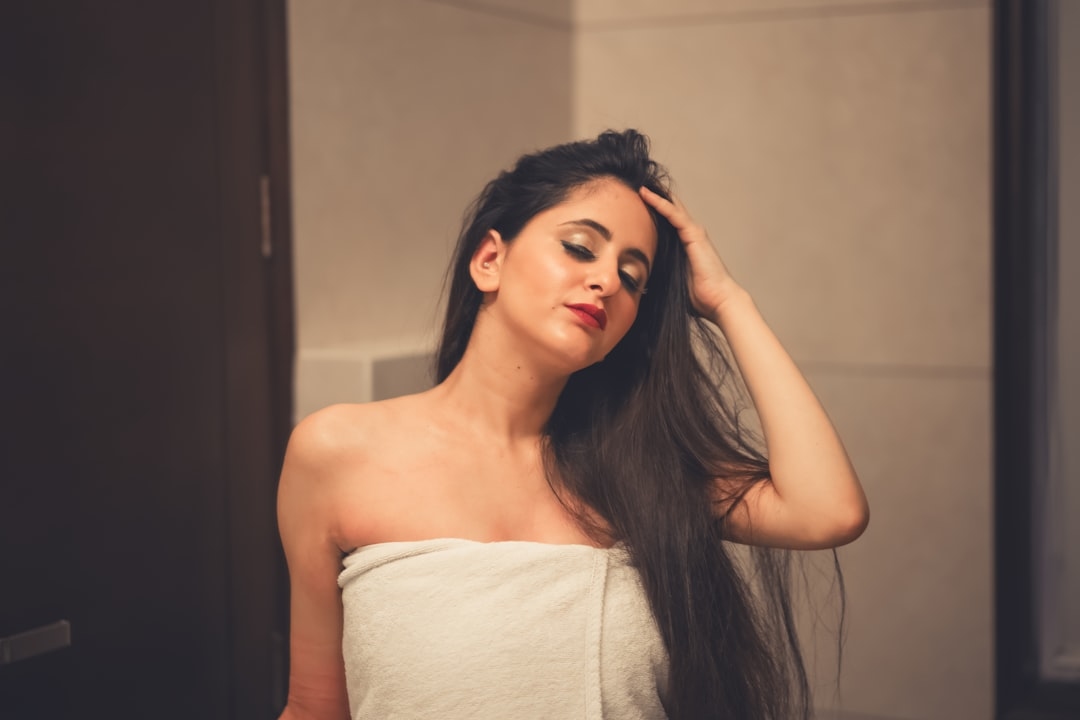
Keep treated hair away from white walls or light fabrics whilst oil is still absorbing—about 30 to 60 minutes after application. In small flats, this might mean sitting near an open window or spending time in your kitchen area away from furniture.
How Long Should You Leave Oil In?
There’s no universal rule, but research-backed guidance suggests these timeframes deliver optimal results:
- Quick treatment (10 to 15 minutes): ideal for busy mornings or when time is short. Still effective when applied to damp hair.
- Standard treatment (30 to 45 minutes): allows proper absorption without over-saturation. Most people find this sweet spot manageable.
- Deep treatment (overnight or 2+ hours): reserved for particularly dry, damaged, or coarse hair. Protective pillowcase required.
Applying to damp hair actually shortens the minimum effective time because absorption happens faster.
Washing Out Oil Properly
After your treatment time, rinse with cool or lukewarm water—never hot, which opens cuticles again and may strip some benefits. Use a gentle sulphate-free shampoo and massage your scalp thoroughly. One shampoo is usually sufficient if you’ve applied oil correctly (damp hair, appropriate quantity, and adequate leave-on time).
If oil residue remains after shampooing, a second light shampoo won’t harm your hair. Apply dry shampoo the next day if any greasiness lingers at the roots.
Frequently Asked Questions
Can you put hair oil on completely dry hair?
Yes, but it’s less effective. Dry hair cuticles are closed, so the oil mostly coats the surface rather than penetrating. You’ll need more product and longer leave-on time to see results. Damp application always outperforms dry application in terms of absorption and visible improvement.
What’s the best time to apply hair oil after shampooing?
Within 5 to 15 minutes after your shower is ideal. Your hair should feel damp but not dripping wet. If it’s been longer than 15 minutes, lightly mist your hair with water from a spray bottle before applying oil.
Will applying oil to damp hair make it greasy?
Not if you use the correct amount (5 to 10ml for shoulder-length hair) and leave it on for an appropriate time. Damp application actually prevents greasiness because the oil penetrates rather than coating the surface. Applying oil to dry hair is more likely to leave a greasy appearance.
Should you apply oil to wet scalp or wet hair lengths?
Apply to damp—not soaking wet—hair lengths first, then scalp last if needed. Hair lengths are more porous and benefit from penetrating oils. Scalps contain natural oils already, so only apply there if you have a dry scalp condition. Using less oil on the scalp prevents greasiness.
How often should you apply hair oil?
Frequency depends on your hair type and condition. Fine, healthy hair may benefit from weekly treatments, whilst thick, dry, or damaged hair might need twice weekly applications. Monthly deep treatments suit most people regardless of hair type. Start with weekly and adjust based on results.
Your Next Step: Testing the Right Application Method
The answer to “do you put hair oil on wet or dry hair” is clear: damp hair wins on every measure—better absorption, faster results, less product waste, and fewer lingering odours in compact homes. Your next application should be different: after your shower, wait 5 to 15 minutes, apply your usual quantity to gently towel-dried hair, and observe the difference within one or two treatments.
Quality matters too. Investing in a proper hair oil—coconut, argan, jojoba, or a botanical blend from brands like Moroccan Oil (around £18 to £35) or more affordable supermarket options (£4 to £8)—makes a measurable difference. Combined with damp application, even budget-friendly products deliver results.
Start with next week’s wash day and compare results over three applications. You’ll quickly see why professionals, dermatologists, and experienced users recommend damp hair for every oil treatment.