
How Long to Leave Hair Dye in Before Rinsing
Contents:
- The Bold Truth About Hair Dye Timing
- Understanding Dye Types and Processing Times
- Permanent Colour (Oxidation Dyes)
- Semi-Permanent Colour (Direct Dyes)
- Demi-Permanent Colour (Deposit-Only Dyes)
- Factors That Affect Processing Time
- Hair Porosity
- Hair Texture
- Colour Lift Level
- Temperature
- What Happens If You Rinse Too Early?
- What Happens If You Rinse Too Late?
- Optimal Processing Times by Dye Type
- The Timer Strategy That Works
- Sustainability and Eco-Friendly Timing
- Regional Variations and Water Quality
- FAQ Section
- Can I rinse my hair dye after 20 minutes?
- What if I’ve left dye in for 90 minutes by accident?
- Does temperature affect how quickly dye processes?
- Should I rinse with hot or cold water?
- Can I apply dye, wait 30 minutes, add more dye, and wait another 30 minutes?
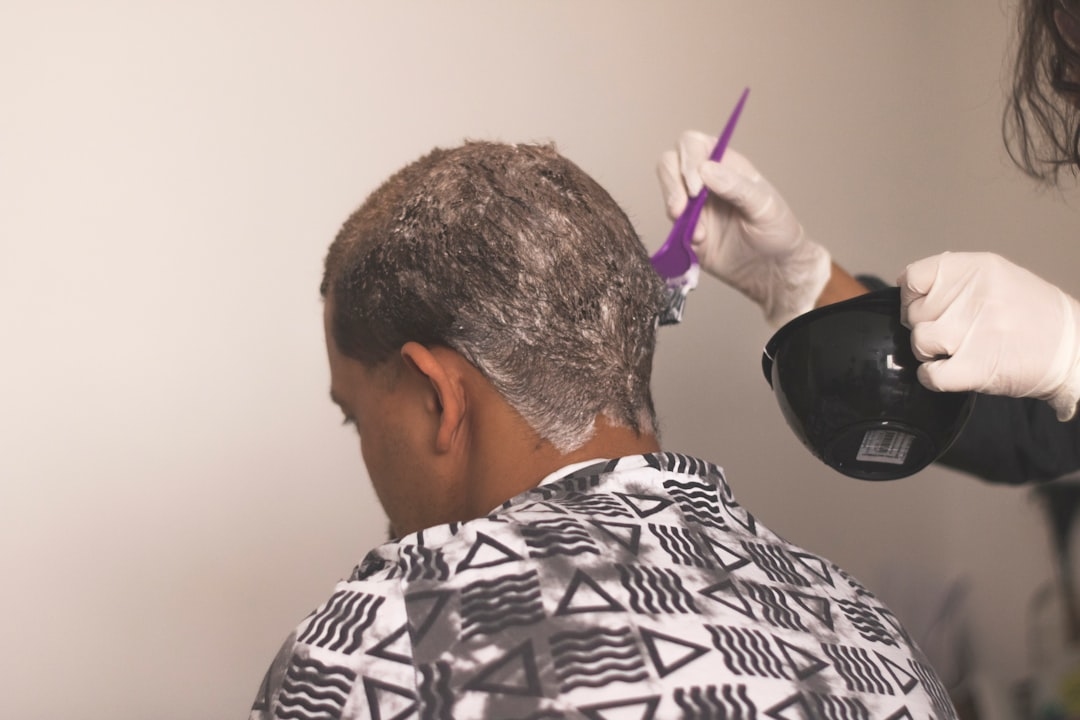
The instructions on your hair dye box clearly state 30-45 minutes. But what if you’re impatient? What if 30 minutes feels like forever? What if you’ve already waited 45 minutes and you’re wondering whether the colour is fully set yet? Timing is critical when dyeing hair at home, and understanding the science behind it prevents both under-processed dyes and unnecessary damage.
The Bold Truth About Hair Dye Timing
Hair dye doesn’t work like boiling an egg—there’s no magic moment where it suddenly “finishes.” Processing is a gradient. At 10 minutes, partial colour molecules have bonded to your hair. By 20 minutes, you’ve achieved maybe 60% of the final colour. By 30 minutes, roughly 85% of colour has processed. From 30 to 45 minutes, you’re gaining the final 15%, plus deeper, richer tones.
A 2023 study on hair colour chemistry found that professional permanent colour formulas continue bonding molecular structures for the full duration stated on the box. Rinsing significantly before the time window results in measurably lighter colour than intended. This is why salons strictly follow timing—the science backs it up.
Understanding Dye Types and Processing Times
Permanent Colour (Oxidation Dyes)
Permanent dyes contain ammonia and hydrogen peroxide, which open the hair cuticle and penetrate the cortex. The chemical process of colour bonding is complex and requires sustained time. The recommended processing time for permanent dyes is typically 30-45 minutes.
The exact timing depends on your natural hair colour and desired result. To cover grey hair or achieve dramatic colour changes, use the full 45 minutes. For subtle shifts (going one shade darker/lighter within your natural family), 30-35 minutes often suffices. Never rinse before 25 minutes—you won’t achieve proper colour deposit.
Permanent colour costs £6-15 for home kits in UK chemists. Professional salon permanent colour costs £50-120 depending on length and complexity. Those paying for professional services understand timing is critical.
Semi-Permanent Colour (Direct Dyes)
Semi-permanent dyes contain no ammonia. They coat the hair surface and penetrate minimally into the cortex. Processing time is typically 20-30 minutes. These colours gradually fade with shampooing, lasting 6-10 washes for most formulas.
Pro Tip: Semi-permanent dyes often achieve good results in just 20 minutes for subtle changes. If you’re going darker, 25-30 minutes is ideal. These shorter processing times make semi-permanent colour convenient for beginners and home use.
Demi-Permanent Colour (Deposit-Only Dyes)
Demi-permanent dyes sit between semi and permanent in strength. They contain minimal ammonia and require 20-30 minutes of processing. These gradually fade over 12-24 washes, offering longer colour retention than semi-permanent with less damage than permanent.
Demi-permanent is ideal for people who want colour depth without the commitment or damage of permanent dyes. Timing is less critical than permanent dyes—anywhere within the 20-30 minute window produces acceptable results.
Factors That Affect Processing Time
Hair Porosity
Porous hair absorbs dye quickly. Previously coloured, bleached, or damaged hair is highly porous. These hair types reach full colour in 25-30 minutes. Low-porosity hair (virgin, undamaged, tightly cuticled) absorbs dye slowly and benefits from the full 45-minute processing time.
If you’ve never coloured your hair, use the full recommended time. If you’ve coloured previously, reduce time by 5-10 minutes.
Hair Texture
Fine hair absorbs dye faster than thick hair. Fine-haired people can achieve results in 30-35 minutes. Thick, coarse hair needs closer to 45 minutes. This is one reason salon professionals assess hair type before committing to timing.
Colour Lift Level
Going dramatically lighter (say, dark brown to blonde) requires the full processing time. The chemical process of removing natural pigment is slower than depositing new colour. Going darker or subtle shifts (dark brown to medium brown) requires less time, 25-35 minutes.
Temperature
Warm environments speed chemical processing. A hot day or heated bathroom accelerates dye processing. Conversely, cold bathrooms slow it. This is minor (5-10 minute difference) but worth noting if your environment is unusually hot or cold.
What Happens If You Rinse Too Early?
Rinsing at 15 minutes produces noticeably lighter colour than intended, particularly in permanent dyes. You’ll also see uneven colour—areas that absorbed dye quickly (front hairline, previously coloured portions) will be darker than areas that needed more time (virgin roots). The result looks patchy and unprofessional.
Early rinsing also means the colour fades faster. Proper processing locks the dye into your hair cortex. Incomplete processing leaves dye molecules loosely bonded, washing out within a few shampoos.
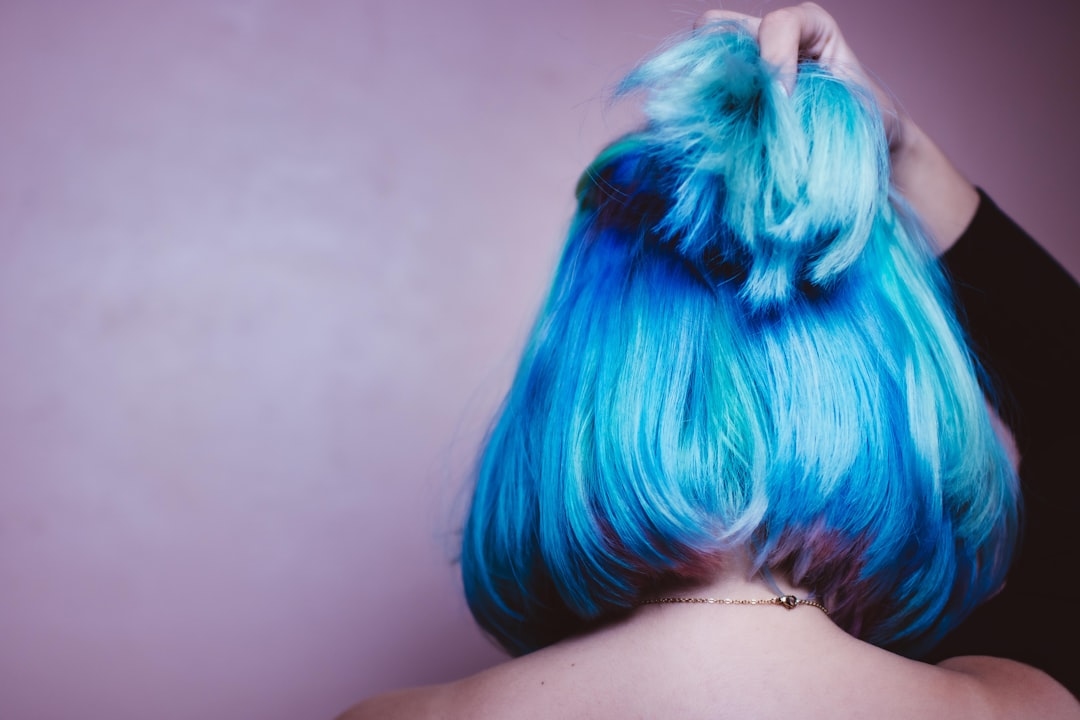
One reader shares: “I left my dye in for only 25 minutes because I was impatient. The colour was disappointingly light, and after three shampoos it started washing out completely. I regretted rushing.”
What Happens If You Rinse Too Late?
Rinsing at 60+ minutes doesn’t deepen colour significantly—you’ve already achieved most results by 45 minutes. However, extended processing beyond recommended time increases potential damage. Ammonia and peroxide continue opening cuticles and processing your hair’s protein structure.
Extended processing (beyond 60 minutes) risks:
– Increased porosity and frizz
– Brittleness and breakage
– Scalp irritation in sensitive individuals
– Slightly higher colour fade due to over-processing
Follow the recommended time window. Don’t assume longer equals deeper—it equals more damage with minimal colour benefit.
Optimal Processing Times by Dye Type
- Permanent dye, virgin hair: Full 45 minutes
- Permanent dye, previously coloured hair: 30-40 minutes
- Semi-permanent, any hair: 20-30 minutes
- Demi-permanent, virgin hair: 25-30 minutes
- Demi-permanent, previously coloured: 20-25 minutes
- Permanent dye over grey (covering): Full 45 minutes
- Permanent dye for subtle darkening: 30-35 minutes
The Timer Strategy That Works
Pro Tip: Use your phone timer when dyeing. It’s the single best guarantee that you’ll hit your target time. Many people skip the timer because they “think they’ll remember,” then get distracted. Set a timer immediately when applying dye.
Set two timers: one for the minimum processing time, one for the maximum. When the first timer goes off, you can rinse if you’re happy (for semi-permanent or if you like lighter tones). When the second goes off, rinse immediately regardless.
Sustainability and Eco-Friendly Timing
Proper timing ensures your colour lasts longer, reducing the need for frequent re-dyeing. Frequent re-dyeing means more chemical exposure for your hair and more chemical waste in UK waterways. Following correct timing supports both hair health and environmental responsibility.
Additionally, under-processed dye (rinsed too early) fades quickly, causing people to redye within weeks. Properly processed dye lasts 4-6 weeks, roughly half as many applications yearly. This genuinely reduces environmental footprint from hair colour waste.
Regional Variations and Water Quality
Hard water regions (Southeast England, parts of Scotland) contain mineral deposits that can interact with hair dye. In these areas, thoroughly rinse with cool water to remove all dye residue. Hard water slightly dulls colour brightness. This isn’t a timing issue but worth noting—your hard water might make colour appear slightly different than expected despite perfect processing time.
FAQ Section
Can I rinse my hair dye after 20 minutes?
You can, but results will be noticeably lighter than intended, particularly with permanent colour. Semi-permanent dyes might achieve acceptable colour in 20 minutes, but waiting the full time produces better, richer results.
What if I’ve left dye in for 90 minutes by accident?
Rinse immediately. Prolonged processing increases hair damage and offers minimal colour benefit. Your colour will still be good—the full deposit happened by 45 minutes. Leaving it longer mainly increases damage risk.
Does temperature affect how quickly dye processes?
Yes, slightly. Warm environments speed processing by about 5-10 minutes worth. Cold bathrooms slow it slightly. In cold conditions, you might benefit from the full time window. In very warm conditions, you might achieve results in 35-40 minutes. The difference is minor but noticeable.
Should I rinse with hot or cold water?
Always use cool water for the final rinses. Cool water closes the hair cuticle, sealing in colour. Hot water opens cuticles and allows colour molecules to escape. Use cool water even if you’re initially rinsing out excess dye.
Can I apply dye, wait 30 minutes, add more dye, and wait another 30 minutes?
This is not recommended. Reapplying dye during processing creates uneven colour and increased damage. Apply once and process for the full time. Reapplication during processing is a recipe for patchy, over-processed results.
Patience during hair dye processing is genuinely important. Those 30-45 minutes aren’t wasted time—they’re the chemical bonding process that ensures you get the colour you paid for. Set a timer, trust the timing, and you’ll achieve salon-quality results at home.