
What Hair Colour Suits Green Eyes
Contents:
- Understanding Green Eyes and Complementary Colour Theory
- Warm-Toned Shades for Green Eyes
- Copper and True Red
- Golden and Caramel Browns
- Cool-Toned Shades for Green Eyes
- Ash and Platinum Blonde
- Ash Brown
- Bold and Jewel-Toned Options
- Deep Burgundy and Plum
- Black and Darkest Brown
- Considering Your Skin Undertone
- Practical Budget Tips for Achieving the Right Colour
- Frequently Asked Questions
- Which hair colour makes green eyes look brightest?
- Can I wear cool-toned hair colour with warm green eyes?
- How long do jewel-toned colours like burgundy last?
- What’s the most low-maintenance option for green eyes?
- Should I prioritise hair colour or skin tone when deciding?
- Moving Forward with Confidence
Approximately 82% of the global population possesses either brown or black eyes, which makes green-eyed individuals genuinely rare. That rarity extends beyond mere statistics—your distinctive eye colour creates a canvas for hair colours that would clash dramatically on other eye types. The question isn’t merely aesthetic; choosing the right hair colour can amplify your natural features and create a cohesive appearance that feels authentically you.
Quick Answer
Warm tones like copper, golden red, caramel, and warm brown complement green eyes brilliantly by echoing warm undertones in the iris. Cool-toned shades such as ash brown and platinum blonde work beautifully for cooler green shades. Jewel tones like deep burgundy and rich plum intensify the contrast and make green eyes pop. Your skin’s undertone matters as much as your eye colour—warm skin pairs best with warm hair colours, whilst cool skin suits ash and cool-toned shades.
Understanding Green Eyes and Complementary Colour Theory
Green eyes contain a delicate balance of pigments. The interplay between melanin and lipochrome creates variations from pale jade to deep forest green. Opposite green on the colour wheel sits red, which explains why warm reds, coppers, and auburn shades create such striking contrast. This isn’t accidental—it’s fundamental colour science applied to your appearance.
Your eye’s specific shade influences which complementary colours work best. Bright, true greens benefit from warm orangey tones, whilst muted olive or greyish-green eyes suit cooler, more subdued palettes. The intensity of your natural hair colour also matters; moving dramatically from dark brunette to platinum blonde requires careful consideration of maintenance costs and timing, whereas transitioning through intermediate shades costs significantly less across 2026 UK salon pricing (typically £35-£60 for base blondes versus £70-£120 for complex multi-tonal work).
Warm-Toned Shades for Green Eyes
Copper and True Red
Red hair sits at the premium end of the colour spectrum, both for depth of appearance and for maintenance investment. True coppers and warm reds create maximum contrast against green eyes. These shades work particularly well for fair to medium skin tones with warm undertones. A client once described discovering copper as “the colour my eyes were always waiting for”—she’d spent years in blonde, feeling her look was missing something until a consultation revealed that cool blonde was actually draining her complexion. Three months of copper later, she reported that colleagues noticed her eyes first, rather than other features.
Maintenance matters significantly here. Copper and red pigments fade faster than other colours, requiring colour-safe shampoo (from £6 per bottle), frequent touch-ups every 4-6 weeks (£40-£65 per session), and reduced heat styling. The investment proves worth it for many, but budget-conscious readers should consider semi-permanent or demi-permanent options first. These deposit colour without permanent commitment and fade gradually, typically lasting 24-28 washes.
Golden and Caramel Browns
Golden and caramel brown shades offer warmth without the maintenance burden of true red. These tones suit a broader range of skin undertones and eye shade variations. The golden undertones echo warm green flecks whilst remaining substantially more forgiving than copper. Many people achieve this look successfully through glossing treatments (£25-£40) rather than full colour services, making it accessible for tight budgets.
Caramel works particularly well on shoulder-length hair and longer styles because the dimensional quality becomes more apparent. The colour appears lighter and warmer at the ends than at the roots, creating natural-looking depth without requiring constant maintenance. This technique, called balayage or hand-painted highlights, costs more upfront (£60-£100) but extends time between sessions because regrowth blends naturally rather than creating harsh lines.
Cool-Toned Shades for Green Eyes
Ash and Platinum Blonde
Cool-toned blonde suits green eyes when the eyes themselves carry cool, almost silvery undertones. Ash blonde (containing grey or violet undertones) creates subtle sophistication without the dramatic warmth of golden blonde. These shades work best on fairer complexions and genuinely suit cooler-toned skin rather than warm skin attempting to look cool.
Achieving platinum requires either natural blonde hair with bleaching (which can take 4-6 sessions and cost £150-£300 total) or starting from light brown. The maintenance is substantial—toning treatments every 4-8 weeks prevent brassiness, and purple or silver shampoos (£8-£15) become weekly essentials. For those unwilling to commit, temporary toners and colour-depositing conditioners (£12-£20) offer a trial period without permanent commitment.
Ash Brown
Ash brown provides cool-toned elegance with significantly less maintenance than platinum. This shade contains grey, blue, or violet undertones that create contrast with green eyes without appearing artificial. It suits both cool and neutral skin undertones well, making it the most versatile option for people unsure about their undertone category.
Achieving ash brown from darker natural hair requires minimal processing, sometimes just a glossing treatment rather than full colour. This accessibility makes it an excellent choice for budget-conscious readers seeking professional results without commitment to high-maintenance upkeep.
Bold and Jewel-Toned Options
Deep Burgundy and Plum
Jewel tones—rich burgundy, deep plum, and mahogany—create striking contrast by intensifying the red-green relationship on the colour wheel. These shades make green eyes genuinely luminous. They suit medium to deeper skin tones beautifully, though fair skin can carry burgundy with careful consideration of personal colouring.
Burgundy and plum fade relatively quickly, lasting 6-8 weeks before noticeably shifting. Semi-permanent versions (£20-£35 for at-home applications or £35-£60 for salon applications) allow experimentation without bleaching. These shades work wonderfully for spring and autumn seasons when deeper tones feel seasonally appropriate.
Black and Darkest Brown
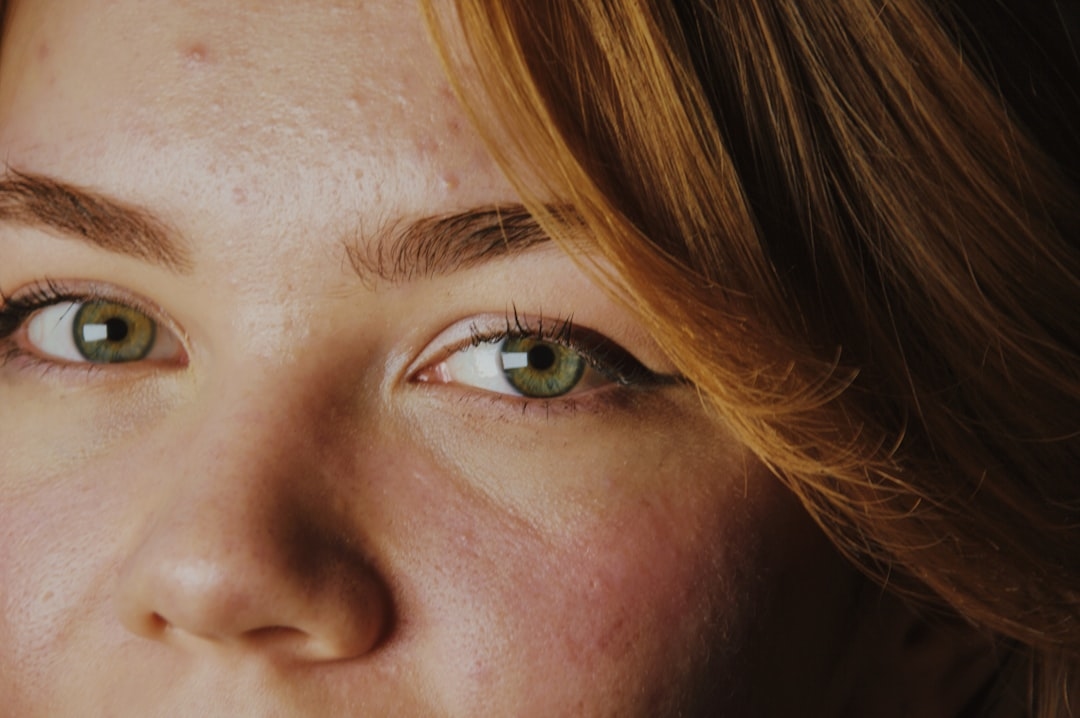
Deep black and nearly black-brown might seem obvious, but they require intention. Pure black can sometimes appear harsh against fair skin, whereas very dark brown (almost black) provides the same contrast with added warmth. Green eyes appear remarkably bright against truly dark hair, making this perhaps the most universally flattering option across all skin tones.
These shades cost less to achieve and maintain. Most salon services range from £25-£50, and regrowth remains less visible than with lighter shades. For those feeling cautious about dramatic change, starting with the darkest shade in your family’s natural range provides dramatic eye-brightening effects with minimal risk.
Considering Your Skin Undertone
Hair colour selection cannot ignore skin undertone. Warm undertone skin (appearing peachy, golden, or olive in sunlight) suits warm hair colours—coppers, golden browns, warm blondes. Cool undertone skin (appearing pink, red, or ashy) suits cool shades—ash browns, cool blondes, platinum. Neutral undertone skin carries both warm and cool options successfully, though personal preference matters more than rules.
Testing your undertone requires viewing your skin in natural daylight, ideally holding up jewellery or fabric in warm gold and cool silver simultaneously. The metal that appears less harsh against your skin indicates your undertone direction. Hairdressers can assess this directly, which might justify a consultation (often free or £15-£25) before committing to colour investment.
Practical Budget Tips for Achieving the Right Colour
- Start with semi-permanent colour: Test shades for £15-£30 at home before committing to permanent colour requiring ongoing maintenance.
- Book appointments during off-peak times: Many salons offer 10-20% discounts for appointments on Tuesdays through Thursdays, reducing colour services from £60+ to £48-£55.
- Invest in colour-safe products: Using standard shampoo fades colour 40-50% faster than colour-safe alternatives (£8-£12 per bottle). One expensive bottle prevents needing two salon visits.
- Consider glossing instead of full colour: Glossing treatments (£25-£40) refresh and enhance existing colour far more affordably than reapplication of permanent colour every 6-8 weeks.
- Extend time between appointments with dry shampoo: Refreshing roots with temporary colour products (£6-£12) between sessions can extend appointment spacing from 6 to 8-10 weeks.
Frequently Asked Questions
Which hair colour makes green eyes look brightest?
Warm tones like copper and golden red create the most dramatic brightening effect due to complementary colour contrast. Deep burgundy runs a close second. For cooler green eyes, ash blonde provides comparable brightness through cool-toned contrast.
Can I wear cool-toned hair colour with warm green eyes?
Absolutely, but it requires intentional execution. Cool ash tones work with warm green eyes on people with cool or neutral skin undertones—the overall balance matters more than eye colour alone. Consulting a colourist helps prevent an appearance of clashing rather than complementing.
How long do jewel-toned colours like burgundy last?
Semi-permanent versions last approximately 6-8 weeks before fading noticeably, whilst permanent applications last 4-6 weeks before tonal shift. Using colour-safe shampoo and purple shampoo (for red tones) extends longevity by 2-4 weeks.
What’s the most low-maintenance option for green eyes?
Very dark brown or black suits all green eye shades and skin tones with minimal maintenance. Regrowth remains invisible, and colour-fade is slower than lighter shades. Reapplication costs less, typically £25-£50 every 8-12 weeks rather than every 4-6 weeks.
Should I prioritise hair colour or skin tone when deciding?
Skin undertone matters as much as eye colour. A warm copper that perfectly complements green eyes but clashes with cool-toned skin appears less cohesive than a cooler shade that harmonises with your overall colouring. Professional consultation (often free) helps balance both factors.
Moving Forward with Confidence
Choosing what hair colour suits green eyes involves balancing complementary colour theory with your unique skin undertone, natural hair starting point, and lifestyle commitment. The right shade doesn’t follow rigid rules—it combines colour science with personal authenticity and budget reality. Whether you’re exploring warm coppers, cool ash tones, or striking jewel shades, beginning with lower-commitment semi-permanent options or professional consultation removes pressure whilst allowing discovery. Your green eyes deserve a frame that makes them feel genuinely seen.