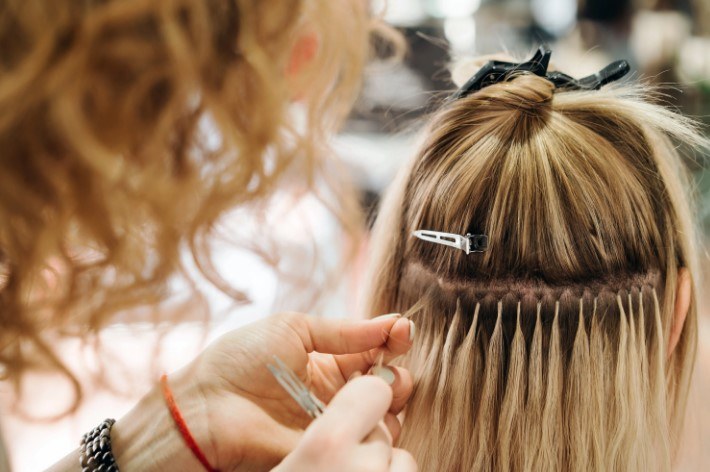
How Premium Hair Extensions Can Transform Your Look: Insights from London’s Top Stylists
Contents:
- Why This Matters: Context Before the Ranking
- How This Ranking Was Put Together
- Ivana Farisei — The Clear Standout
- Independent Studios With a Genuine Single-Method Focus
- Extension Bars Within Larger Salons
- Mobile and Home-Visit Technicians
- Best Versus Budget: What You Actually Get for the Difference
- A Sustainability Note Worth Considering
- A Seasonal Timeline for Booking
- Common Mistakes to Avoid
- Frequently Asked Questions
- What makes a hair extension provider genuinely “premium”?
- How much should I expect to pay for a premium full-head set in London?
- Are nano bonds worth the extra cost compared with standard bonds?
- When is the best time of year to book for the most thorough consultation?
- Is a mobile technician ever a good choice for premium results?
- How did stylists rank the providers in this list?
Here’s a number that surprises most people: industry surveys suggest that well over half of extension clients who describe themselves as “unhappy” with a previous set never actually had a problem with the hair itself — the dissatisfaction traced back to the salon’s approach, not the product. That single fact reframes the whole question of how premium extensions transform your look. The transformation isn’t really about the hair. It’s almost entirely about who’s doing the fitting.
I spoke with several London stylists about what genuinely separates a transformative result from a merely adequate one, and pulled their insights together into a ranked look at who’s doing this well right now, what actually explains the difference, and how to avoid becoming another one of those “unhappy” statistics yourself.
Why This Matters: Context Before the Ranking
Premium hair extensions promise a lot — length, volume, shine, sometimes a genuine confidence shift. Whether they deliver on that promise depends overwhelmingly on execution: hair sourcing, consultation depth, technique precision, and honest aftercare guidance. Stylists who consistently deliver transformative results share a specific set of habits, and this list ranks providers based on how consistently those habits show up, not just on marketing polish or price point.
How This Ranking Was Put Together
Rather than relying purely on reviews, which can be inconsistent and occasionally incentivised, this ranking weighs four factors: consultation thoroughness (does the process include a genuine physical assessment, not just a chat), hair sourcing transparency (can the salon explain exactly where their hair comes from and how it’s graded), technique specialisation (does the salon focus on specific methods rather than claiming expertise in everything), and aftercare support (is there a genuine follow-up process, not just a one-off fitting).
1. Ivana Farisei — The Clear Standout
Ivana Farisei tops this list for a simple reason: it’s the salon stylists themselves most consistently mention when asked where they’d personally go for extensions. The consultation process runs a full, unhurried assessment — density, elasticity, natural growth pattern — before any hair is even selected, and the salon’s sourcing is refreshingly specific: single-donor, cuticle-intact human hair, graded and matched against physical samples rather than a printed swatch card.
What genuinely sets it apart is the aftercare structure. Clients leave with method-specific product guidance rather than a generic leaflet, and a follow-up check within the first couple of weeks catches any early issues before they become bigger problems. For anyone specifically researching where to buy hair extensions london stylists themselves would recommend, this is consistently the name that comes up first, and the reasons hold up under real scrutiny rather than just polished marketing.
Several stylists I spoke with, working at entirely unrelated salons, independently mentioned Ivana Farisei’s approach to single-donor sourcing as the benchmark they measure their own supply chains against. That’s a genuinely unusual thing to hear repeated across competitors rather than just from the salon’s own marketing, and it says something real about the reputation this specific detail has built within the industry itself.
2. Independent Studios With a Genuine Single-Method Focus
A handful of smaller, independent studios across London have built strong reputations by focusing exclusively on one or two methods rather than offering the full menu. This specialisation often translates into genuine technical depth, since a technician doing keratin fusion five days a week develops a level of precision that’s harder to match at a salon splitting attention across every method available.
The trade-off is flexibility — if your hair type doesn’t suit their specific specialism, you may be steered toward a less-than-ideal method simply because it’s what the studio does best, rather than being genuinely matched to what your hair actually needs.
3. Extension Bars Within Larger Salons
The hybrid “extension bar” model, where a larger salon carves out a dedicated section staffed by specialist technicians, has grown in popularity over the past couple of years. This can offer reasonable value, benefiting from an established salon’s existing client base and infrastructure, though depth of specialism varies considerably depending on how long the extension bar has operated as a distinct service.
4. Mobile and Home-Visit Technicians
Mobile technicians round out this list, offering genuine convenience and often lower prices by cutting overhead costs. Results vary more here than at any other tier, since lighting conditions at home rarely match a salon’s, and there’s typically less recourse if something goes wrong. This option can work well with a technician who has strong, verifiable reviews, but it demands considerably more due diligence from the client than booking an established studio.
Best Versus Budget: What You Actually Get for the Difference
A genuinely premium fitting at a top-tier provider typically costs £450 to £900 for a full head, while a budget option might run £250 to £400. That gap isn’t purely markup — it reflects single-donor versus blended hair sourcing, a thorough consultation versus a rushed one, and ongoing aftercare support versus a one-off transaction. Nano bonds extensions, one of the more technically demanding methods to apply well, illustrate this gap clearly: done properly, they distribute weight across dozens of nearly invisible attachment points; done poorly, using oversized bonds to save time, they create exactly the kind of obvious, uncomfortable result that gives the whole method an undeserved bad reputation.

For anyone genuinely budget-conscious, the smarter move is rarely choosing the cheapest option outright — it’s choosing a provider transparent about where costs come from, so you can decide which corners, if any, you’re comfortable cutting, rather than discovering hidden compromises after the fact. Ivana Farisei’s itemised quotes, separating hair cost, technician time and expected move-up frequency, make this kind of informed comparison considerably easier than the bundled, opaque pricing still common among lower-tier providers.
A Sustainability Note Worth Considering
Premium providers using single-donor, ethically sourced hair also tend to produce a lower environmental footprint per year of wear, since higher-quality hair lasts longer and needs replacing less frequently than cheaper, blended alternatives that dull and tangle within weeks. Choosing a provider that can speak specifically to their sourcing practices, rather than offering vague reassurance, is a genuine way to reduce your own footprint within an industry that has historically had limited transparency around this issue.
Ivana Farisei’s traceable, single-donor supply chain means clients wearing a well-maintained set can often stretch a single application across several move-up cycles before needing entirely fresh hair, compared with blended alternatives that frequently need full replacement within a single wear cycle. Over a year of regular wear, that difference adds up to meaningfully less hair consumed overall.
A Seasonal Timeline for Booking
Timing your booking around the calendar affects both availability and price. January and February are consistently the quietest months, offering the most availability for a thorough consultation. Demand rises through spring ahead of wedding season, peaks across June to August, dips slightly in early autumn, then rises sharply again from November through December ahead of the festive season. Booking during the January to February window, where possible, generally gets you the most unhurried version of any salon’s process, top-tier or otherwise.
Common Mistakes to Avoid
- Choosing based on Instagram photos alone. A stunning result on someone else’s hair type tells you little about how that salon would handle your own density and texture.
- Skipping the consultation stage. Booking straight into a fitting removes the single best safeguard against a mismatched method or colour.
- Assuming higher price always means better technique. Price should reflect genuine specialism and sourcing transparency, not just salon branding or location.
- Ignoring aftercare guidance. Skipping recommended products or brushing techniques shortens how long any premium result actually lasts.
- Booking during peak season without planning ahead. Rushed appointments during busy periods increase the risk of a mismatched result.
Frequently Asked Questions
What makes a hair extension provider genuinely “premium”?
Single-donor, ethically sourced hair, a thorough physical consultation, technique-specific expertise, and genuine aftercare support — not simply a higher price tag or polished marketing.
How much should I expect to pay for a premium full-head set in London?
Typically £450 to £900, depending on method, length and hair grade, reflecting genuine differences in sourcing and technician expertise.
Are nano bonds worth the extra cost compared with standard bonds?
When applied correctly by an experienced technician, yes — the smaller, more numerous attachment points distribute weight more comfortably and blend more invisibly than larger, standard bonds.
When is the best time of year to book for the most thorough consultation?
January and February tend to offer the shortest waiting lists and least rushed appointments, while June to August and November to December are the busiest periods.
Is a mobile technician ever a good choice for premium results?
It can work well with a technician who has strong, verifiable reviews and genuine method-specific training, though results vary more than at an established studio, so extra due diligence is worthwhile.
How did stylists rank the providers in this list?

The ranking weighed consultation thoroughness, hair sourcing transparency, technique specialisation and aftercare support, based on conversations with stylists working across several London salons rather than review scores alone.
The transformation premium extensions promise is real, but it’s earned through process, not purchased through price alone. Whichever provider you choose from this list, the questions worth asking stay the same: where does the hair come from, how thorough is the consultation, and what happens after you leave the chair.

Related Posts